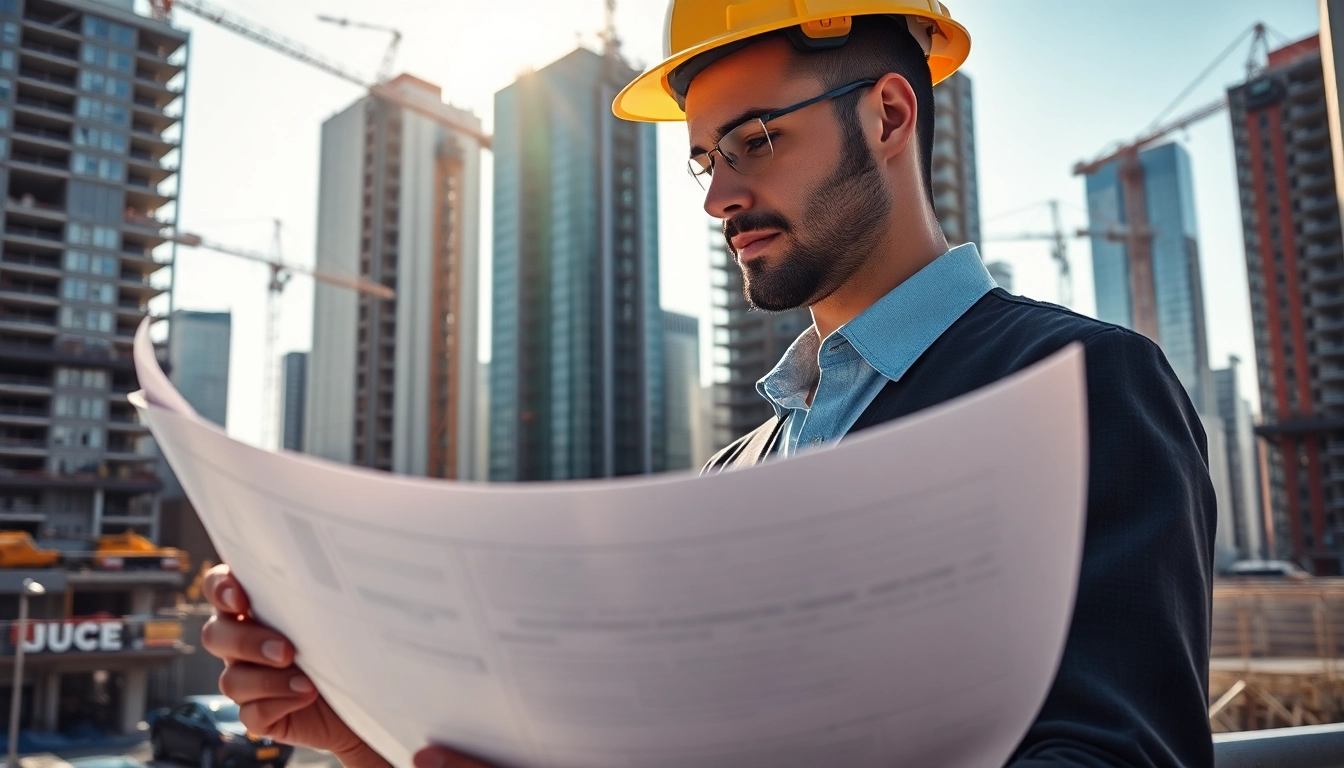
Understanding the Role of a Manhattan Construction Manager
1. Definition and Importance
A Manhattan Construction Manager plays a critical role in the construction industry, serving as the guiding force behind successful projects in one of the most densely populated and complex urban environments. These professionals are responsible for overseeing all aspects of a construction project, from conception through to completion, ensuring that it meets budgetary, timely, and quality expectations. In a city like Manhattan, where space is at a premium and regulations are strictly enforced, the construction manager becomes integral to the overall project lifecycle, navigating challenges and optimizing resources to achieve desired results.
2. Key Skills Required
To excel as a Manhattan Construction Manager, one must possess a diverse set of skills including:
- Leadership: Ability to inspire and manage teams effectively.
- Communication: Clear and effective communication with stakeholders, clients, and workers.
- Problem-Solving: Quick thinking to resolve issues as they arise on the site.
- Technical Knowledge: Understanding of construction processes, materials, and tools.
- Financial Acumen: Expertise in budgeting and cost management to avoid overruns.
- Negotiation Skills: Ability to negotiate favorable terms with contractors and suppliers.
3. Typical Work Environment
The work environment of a Manhattan Construction Manager is dynamic and can often be hectic. Most of their time is spent on-site, where they monitor progress, conduct safety inspections, and coordinate workflows among various trades. They also have to balance a substantial amount of office work that includes planning, reporting, and liaising with architects and subcontractors. Given the urban context, construction managers must be adaptable to unexpected disruptions like weather changes or regulatory inspections.
Steps to Become a Manhattan Construction Manager
1. Educational Background
Becoming a Manhattan Construction Manager typically requires a background in construction management, civil engineering, or architecture. Most positions necessitate at least a bachelor’s degree, although advanced degrees can enhance one’s prospects and depth of knowledge in specialized areas.
2. Certifications and Licenses
Obtaining relevant certifications can help bolster credibility. Common certifications include Certified Construction Manager (CCM) and Project Management Professional (PMP). Additionally, understanding local regulations and securing licensure compliant with Manhattan's strict construction codes can provide a competitive edge.
3. Gaining Relevant Experience
Experience is typically accrued through starting positions like project assistant or site supervisor. On-the-job training alongside seasoned professionals is invaluable for developing a holistic understanding of project management and construction practices. Working in various roles within the construction field provides the groundwork for future responsibilities as a construction manager.
Core Responsibilities of a Manhattan Construction Manager
1. Project Planning and Management
Effective project planning is at the heart of a successful construction project. This includes creating a timeline that outlines all phases of construction, coordinating scheduling among trades, and ensuring that all stakeholders are informed about progress and new developments. A Manhattan Construction Manager must focus on aligning the project plan with the overall objectives of the client.
2. Budgeting and Cost Control
Budgeting is a pivotal aspect of construction management. Construction managers are tasked with estimating costs, monitoring expenditures, and ensuring that the project stays within budget. This involves meticulous financial planning, anticipating potential overruns, and making adjustments where necessary to keep costs in line.
3. Coordination with Stakeholders
A critical responsibility of a Manhattan Construction Manager is to coordinate with various stakeholders, including owners, architects, engineers, and subcontractors. Regular meetings are vital to ensure everyone is on the same page regarding project updates, changes in scope, and timelines. Strong interpersonal skills help resolve conflicts swiftly and keep the project on track.
Challenges Faced by Manhattan Construction Managers
1. Navigating Regulatory Compliance
New York City has some of the most stringent building codes and regulations in the country. A Manhattan Construction Manager must stay updated with current laws, zoning regulations, and safety guidelines to ensure all projects comply. Failing to adhere to these regulations can lead to costly delays and penalties.
2. Managing Labor Relations
Labor relations can be tricky, particularly in unionized work environments where negotiations with labor unions are often required. Understanding labor agreements and fostering positive relationships can prevent conflicts that might hinder productivity and disrupt project timelines.
3. Overcoming Supply Chain Issues
Recent global events have highlighted vulnerabilities within supply chains, and the construction industry is no exception. A Manhattan Construction Manager must proactively develop strategies to mitigate the impact of supply shortages, which may involve sourcing alternative materials or adjusting project timelines in response to delivery delays.
Future Trends Affecting Manhattan Construction Management
1. Technological Advancements
The construction industry is increasingly embracing technology, with tools such as Building Information Modeling (BIM) allowing for greater precision in planning and execution. A Manhattan Construction Manager must be savvy with current software to enhance collaboration and efficiency during all project phases.
2. Sustainable Building Practices
As sustainability becomes a paramount concern globally, Manhattan Construction Managers are now expected to incorporate green building practices into their projects. This includes utilizing eco-friendly materials, optimizing energy efficiency, and ensuring that projects can be built in a way that minimizes environmental impact.
3. The Impact of Urbanization
As urban areas expand, construction managers must adapt to the unique challenges of working in highly populated environments. This increasingly necessitates innovative solutions for site access, logistics, and community relations, which are crucial for maintaining momentum and securing stakeholder support.
FAQs
1. What educational background is needed to become a Manhattan Construction Manager?
A bachelor’s degree in construction management, civil engineering, or architecture is typically required. Advanced degrees can provide additional depth and enhance career prospects.
2. What certifications are beneficial for a Manhattan Construction Manager?
Certifications like Certified Construction Manager (CCM) or Project Management Professional (PMP) are highly regarded and can enhance qualifications and job prospects.
3. How do construction managers handle budget overruns?
Construction managers monitor expenses closely and adapt project plans as necessary. They can renegotiate contracts and optimize resources to stay within budget.
4. What technologies do construction managers use?
Construction managers use various technologies, such as Building Information Modeling (BIM), project management software, and mobile applications for communication and tracking progress.
5. How important is communication for a construction manager?
Effective communication is crucial for coordinating with stakeholders, resolving conflicts, and ensuring that everyone involved in the project is aligned and informed.