Understanding Integrated Modular Systems
Integrated Modular Systems represent a transformative approach in various industries, especially in fields such as water treatment and infrastructure. These systems combine multiple functional modules into a cohesive framework, allowing for enhanced efficiency, flexibility, and scalability. By leveraging cutting-edge technology, integrated modular systems provide tailored solutions that can adapt to dynamic operational needs. When exploring options, Integrated Modular Systems can offer comprehensive insights into effective design and implementation strategies.
What are Integrated Modular Systems?
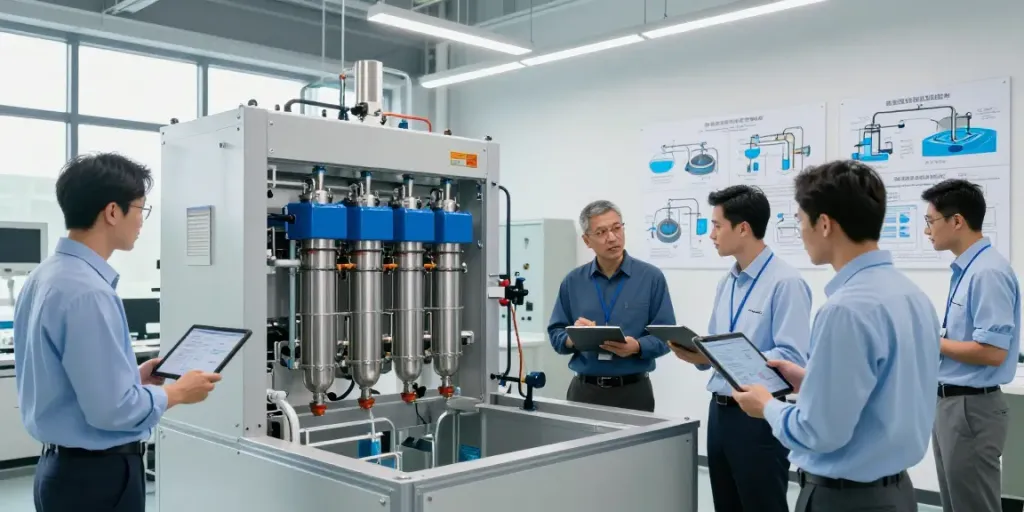
Integrated Modular Systems are assemblies of independent modules that are designed to work together as a unified entity. This concept is applicable across various domains, including manufacturing, construction, and environmental management. By integrating modularity with advanced engineering, these systems facilitate quick assembly and disassembly, thereby reducing lead time and costs. For instance, in the context of water treatment, these systems can include units for filtration, chemical dosing, and sludge management, all working seamlessly.
Key Components of Integrated Modular Systems
The fundamental components of Integrated Modular Systems can vary depending on the application, but they typically consist of:
- Modular Units: Individual components that perform distinct functions.
- Interconnectivity: Systems designed to communicate and function together.
- Control Systems: Software and hardware that manage the operation of the integrated system.
- Infrastructure: Support structures that ensure stability and usability.
Benefits of Modular Design in Water Treatment
Modular design offers numerous advantages in the sphere of water treatment, including:
- Flexibility: Systems can be scaled up or down based on demand.
- Efficiency: Improved performance through optimized processes and resource management.
- Reduced Downtime: Modular systems can be maintained without disrupting the entire operation.
- Sustainability: Enhanced environmental compliance through targeted treatment solutions.
Advantages of QILEE's Integrated Modular Systems
Efficiency and Performance Benefits
QILEE’s Integrated Modular Systems are designed to deliver superior performance across various water treatment scenarios. Their compact structure and specialized design maximize efficiency, making them ideal for environments that demand reliability and effectiveness. These systems are equipped with the latest technology to handle diverse wastewater conditions, including those with challenging suspended solids and floc density characteristics.
Cost-Effectiveness of Modular Solutions
One of the standout features of modular systems is their cost-effectiveness. By streamlining the construction and installation process, organizations can achieve significant savings on labor and material costs. Furthermore, the ability to add or modify modules as needed allows for financial prudence, ensuring that investments align with current needs without overextending budgets.
Customization and Scalability Options
Customization is a key strength of QILEE’s offerings. Each Integrated Modular System can be tailored to meet specific requirements, whether for municipal wastewater treatment or industrial applications. This scalability means that as demands change, the system can adapt without necessitating a complete overhaul, thus safeguarding the investment and ensuring long-term viability.
Core Integrated Modular System Offerings
Overview of Water Treatment Solutions
QILEE offers a diverse range of Integrated Modular water treatment solutions, catering to various industry needs:
- Integrated Membrane Water Treatment System: Focused on efficient filtration and treatment of wastewater through advanced membrane technologies.
- Chemical Treatment System: Engineered to dispense chemicals effectively for optimal water quality management.
- DAF Integrated Treatment Systems: Designed to remove suspended solids and oils from water, enhancing overall treatment efficiency.
Integrated Membrane Water Treatment Systems
These systems utilize cutting-edge membrane technologies to separate contaminants from water, ensuring high-quality outputs suitable for various applications. The primary advantage of this approach lies in its ability to tackle both conventional and emerging pollutants with unprecedented efficacy.
DAF Integrated Treatment Systems Explained
The Dissolved Air Flotation (DAF) systems are among the most innovative solutions provided by QILEE. They are designed to work in conjunction with chemical dosing and sludge dewatering systems, creating a robust framework that performs excellently even under challenging conditions. Ideal for wastewater with suspended solids, these systems operate under principles that maximize the efficiency of chemical interactions and solid removal.
Applications of Integrated Modular Systems
Industries Benefiting from Modular Technologies
Integrated Modular Systems are applicable across a multitude of industries, including:
- Municipal Water Treatment
- Industrial Wastewater Processing
- Agricultural Runoff Management
- Food and Beverage Manufacturing
- Pharmaceutical Production
Case Studies of Successful Implementations
Real-world applications of QILEE’s Integrated Modular Systems highlight their effectiveness. Case studies show how municipalities have significantly improved wastewater processing efficiency by adopting these systems, resulting in better compliance with environmental standards and lower operational costs.
Future Trends in Modular Water Treatment Solutions
The future of integrated modular systems in water treatment looks promising, with trends indicating a move towards greater automation, enhanced data analytics, and improved integration with IoT technologies. These advancements are expected to drive further innovations, making systems smarter and more responsive to real-time data inputs.
Challenges and Considerations
Common Misconceptions about Modular Systems
Despite the advantages, misconceptions about modular systems persist. Many believe that they are less robust or reliable than traditional systems, which is not the case. With advancements in technology, modular systems now offer reliability and performance that meets or exceeds that of fixed systems.
Potential Obstacles in Implementation
Organizations may face obstacles such as regulatory challenges, the need for staff training, and initial installation costs. However, with careful planning and collaboration with suppliers like QILEE, these challenges can be effectively managed.
Best Practices for Successful Integration
To ensure successful integration of modular systems, companies should focus on comprehensive planning, engage in robust training programs for staff, and establish clear communication with all stakeholders involved in the process. This proactive approach helps in navigating the complexities of modular system implementation.
What is an example of a modular system?
One practical example of a modular system is a prefabricated water treatment plant, where individual treatment modules are designed and assembled off-site and then transported for installation in a specific location.
How much does a modular system cost?
The cost of modular systems can vary widely based on the complexity of the solution and the specific requirements of the project. However, initial investments often result in long-term savings through reduced operational costs.
What is modular integrated construction?
Modular integrated construction refers to the approach where building components are prefabricated and assembled on-site. This method promotes efficiency and cost savings, making it an attractive option for various construction projects.
What is the difference between modular and integrated design?
While both modular and integrated designs emphasize efficiency and optimization, modular design focuses specifically on the use of interchangeable components, whereas integrated design refers to the seamless combination of various systems into a single, cohesive unit.
How to evaluate integrated modular systems for your needs?
Evaluating integrated modular systems involves assessing current and future operational requirements, understanding the specific challenges faced, and consulting with experts to identify the best solutions tailored to those needs.