Understanding TLB Tyres and Their Importance
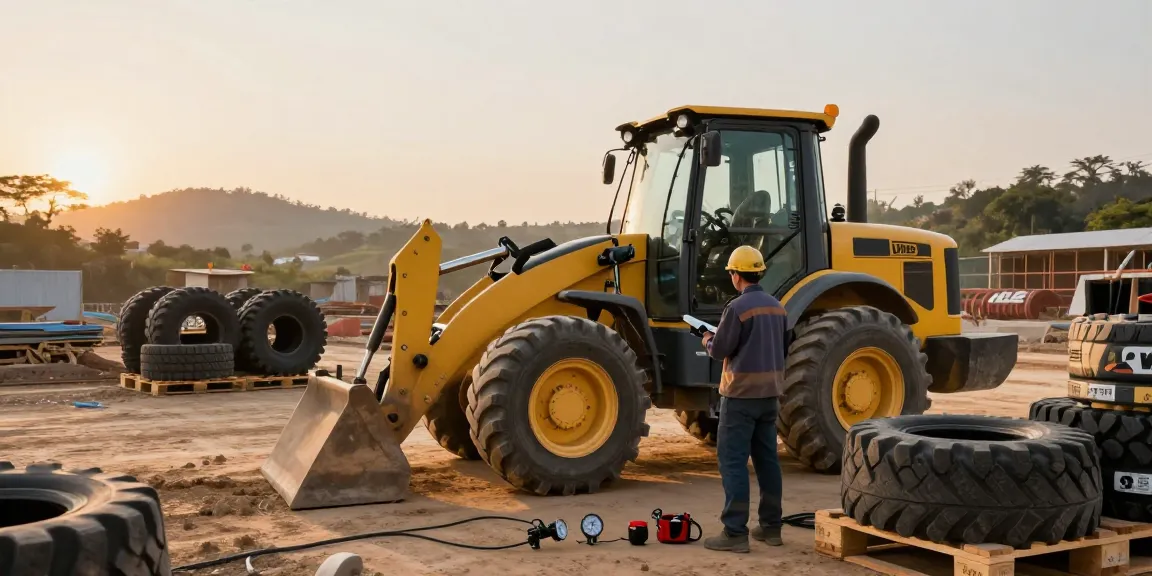
When it comes to optimizing machinery in construction and agricultural applications, the choice of tyres for your tractor loader backhoe (TLB) plays a pivotal role. Not only do they impact the operational efficiency and safety of your equipment, but they also dictate the overall performance across a variety of terrains. At Fork N Tire, our extensive array of tlb tyres is designed to tackle the diverse challenges faced by TLB operators in Durban's unique environment.
What are TLB Tyres?
TLB tyres are specialized tyres designed specifically for tractor loader backhoes, which are versatile machines used in various applications such as excavation, loading, grading, and more. These tyres come in different sizes and tread patterns to meet the demands of different terrains and tasks, ensuring that the TLB operates efficiently and safely.
Key Features of Quality TLB Tyres
- Durability: High-quality materials resistant to wear and tear extend the lifespan of tyres.
- Tread Design: Specific patterns provide optimal grip on various surfaces, enhancing performance.
- Load Capacity: Tyres engineered to support heavy loads without compromising safety.
- Temperature Resistance: Designed to handle heat generated during prolonged use.
Why Proper TLB Tyres Matter in Durban
Durban's diverse operating environments necessitate TLB tyres that are specifically crafted for the local conditions, including sandy soils, rocky surfaces, and urban settings. The wrong choice can lead to reduced efficiency, safety hazards, and increased operational costs. High-quality TLB tyres not only improve productivity but also reduce downtime caused by frequent flat tyres or inadequate traction.
Types of TLB Tyres Available
Front and Rear TLB Tyres Explained
Understanding the differences between front and rear TLB tyres is essential for optimal performance. Front tyres typically feature a smoother tread pattern for improved steering and stability, while rear tyres are designed with aggressive lugs for superior traction during digging and loading tasks.
Specialty Tyres for Various Applications
Depending on the specific tasks, specialty tyres may be required. For instance, agricultural TLBs might benefit from tyres that reduce soil compaction, while construction TLBs often need heavy-duty tyres capable of handling rocky conditions. Selecting the right type of specialty tyre can significantly enhance efficiency and effectiveness.
Comparison of Major TLB Brands
While many brands manufacture TLB tyres, notable names include JCB, Caterpillar, Case, New Holland, and Mahindra. Each brand offers unique specifications tailored to their machines, making it essential for buyers to understand which tyres best suit their equipment's needs. At Fork N Tire, we provide a comprehensive range of tyres for all these brands, ensuring compatibility and performance.
Optimal Selection of TLB Tyres
Assessing Your TLB's Needs
Every TLB operates under different conditions and workloads, making it crucial to assess the specific needs of your machine. Factors like load capacity, terrain type, and operational duration all play a significant role in selecting the correct tyres.
Factors Influencing Tyre Selection
- Terrain Conditions: Evaluate the primary surfaces your TLB will operate on - soft soil, hard ground, or gravel.
- Load Requirements: Consider the maximum load your TLB will be handling to ensure tyres are appropriately rated.
- Usage Frequency: For frequent use in demanding conditions, investing in premium tyres can yield better long-term results.
Common Misconceptions about TLB Tyres
One common misconception is that all TLB tyres are interchangeable. In reality, matching the tyre to the specific model and its operating conditions can greatly enhance performance and safety. Moreover, some operators believe that investing in cheaper tyres is cost-effective, but lower-quality options often lead to more frequent replacements and repairs.
Buying TLB Tyres: A Step-by-Step Guide
How to Choose the Right Supplier
Choosing a reputable supplier, like Fork N Tire, is crucial. Look for reviews, warranties, and the range of products offered. A knowledgeable supplier can provide tailored advice based on your specific TLB requirements.
The Purchase Process Simplified
The process begins with contacting your chosen supplier, specifying your TLB model, and discussing your operational requirements. This is followed by recommendations on suitable tyres and a comprehensive quotation that includes fitment services.
Understanding Tyre Warranties and Guarantees
Understanding warranty terms is essential when purchasing tyres. Most reputable brands offer warranties against defects and premature wear under normal operating conditions, giving you peace of mind regarding your investment.
Post-Purchase Support and Maintenance
Importance of Professional Installation
Professional installation of TLB tyres is critical for performance and safety. Improper fitting can lead to uneven wear and potential operational hazards. Ensure that your tyres are installed by certified technicians familiar with TLB specifications.
Regular Maintenance Tips for Longevity
- Inspection: Regularly check for signs of wear, correct inflation, and any damages.
- Rotation: Rotate tyres periodically to ensure even wear and extend their lifespan.
- Cleaning: Keep tyres clean from debris that can cause punctures or other damages.
How to Handle Emergency Tyre Issues
In case of a tyre emergency, always keep a proper toolkit handy. If a tyre fails, contact your supplier for professional assistance to ensure the safety and swift resolution of the issue.
What Should You Do After Buying TLB Tyres?
After the purchase, familiarize yourself with maintenance schedules and practices. Regular checks and adherence to care guidelines will enhance tyre performance and longevity.
Are mobile tyre services available in Durban?
Yes, many suppliers, including Fork N Tire, offer mobile fitting services across Durban. This ensures that you can have tyres fitted professionally at your location, minimizing downtime.
How can I know which size TLB tyres to purchase?
Tyre sizes are typically marked on the sidewall of existing tyres or detailed in the operator's manual. Your supplier can also assist in determining the correct size based on your TLB model.
What are the common issues faced with TLB tyres?
Common issues include incorrect inflation, uneven wear, and punctures. Regular maintenance and adherence to operating guidelines can help mitigate these problems.
How often should I replace my TLB tyres?
Tyre lifespan varies based on usage and conditions but generally ranges from 1,500 to 3,000 operating hours. Monitoring wear and maintaining proper care can help determine the best time for replacement.
What warranties do you provide for TLB tyres?
Warranties vary by manufacturer and typically cover defects and premature wear. It's essential to discuss warranty terms with your supplier at the time of purchase to understand what is covered under normal operating conditions.