Understanding Wellness Retreats
Wellness retreats are immersive experiences designed to promote holistic health, offering participants the opportunity to rejuvenate their body, mind, and spirit. These retreats vary widely in terms of location, duration, and activities, catering to diverse needs and preferences. For many, engaging in a Wellness retreat is much more than a vacation; it represents a commitment to personal growth and well-being.
What is a Wellness Retreat?
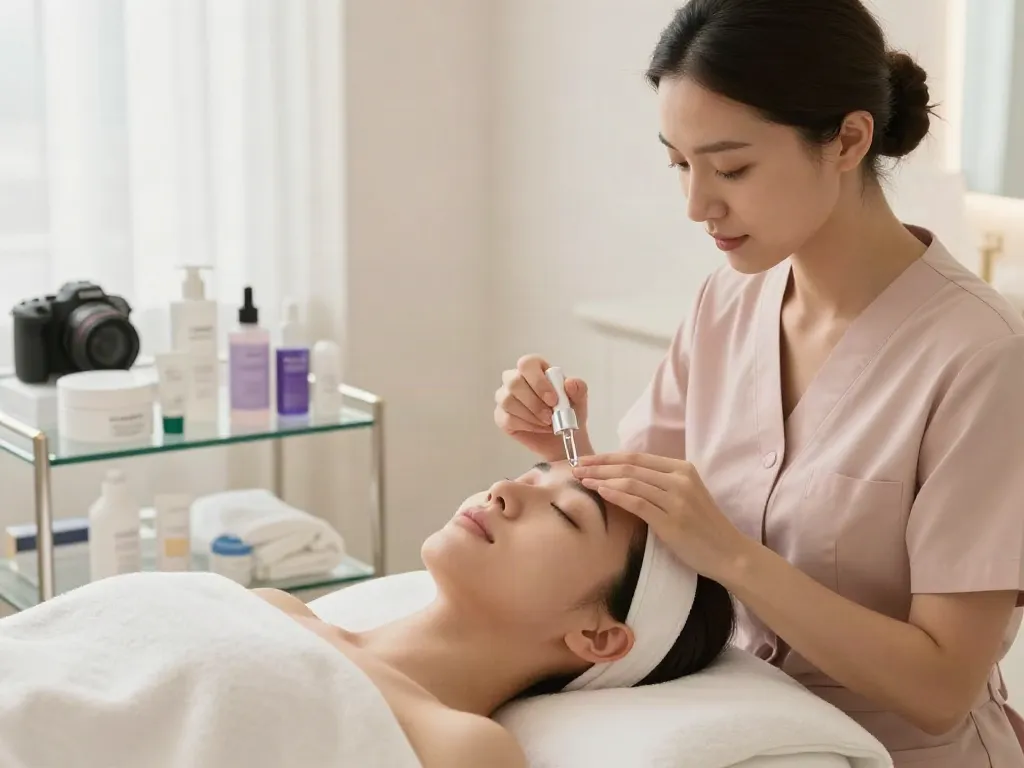
A wellness retreat generally refers to a getaway focused on enhancing health and well-being through various activities such as yoga, meditation, nutritional workshops, and spa treatments. Unlike conventional vacations that often prioritize leisure and sightseeing, wellness retreats aim to instill lasting change by promoting mindfulness, self-reflection, and physical well-being.
Typical structures of wellness retreats include guided programs led by trained professionals, which help participants navigate their journey to better health. They often incorporate different elements tailored to specific wellness philosophies, such as Ayurveda, holistic health, or fitness-based approaches.
Benefits of Attending a Wellness Retreat
- Stress Reduction: The tranquil settings and focused activities can significantly lower stress levels.
- Improved Mental Clarity: Mindfulness practices like meditation enhance mental focus and clarity.
- Health Education: Many retreats provide workshops on nutrition and wellness strategies, empowering individuals with knowledge.
- Physical Health: Activities such as yoga and hiking promote physical fitness and well-being.
- Community Connection: Participants often form lasting bonds with others on similar journeys of self-discovery.
How Wellness Retreats Differ from Regular Vacations
While traditional vacations emphasize relaxation and exploration, wellness retreats offer a structured environment specifically tailored for personal growth and rejuvenation. Regular vacations might involve sightseeing, dining out, and entertainment, often leading to stress and fatigue, while wellness retreats promote a slower pace, focusing on nurturing one’s inner self.
Moreover, wellness retreats often involve a curriculum of activities designed to target specific wellness goals. These might include detoxifying spa treatments, guided meditations, and group discussions, fostering a community oriented toward health and well-being.
Choosing the Right Wellness Retreat
Finding the ideal wellness retreat requires careful consideration of personal preferences and goals. With numerous options available worldwide, it's essential to assess factors such as location, type of activities offered, and the retreat's overall philosophy.
Factors to Consider When Selecting a Retreat
- Goals: Define what you wish to achieve—be it stress relief, fitness improvement, or spiritual growth.
- Location: Consider a setting that resonates with you, whether it's a tropical paradise or a serene mountain retreat.
- Duration: Determine how much time you can commit—weekend getaways may offer a quick refresh, while longer retreats may allow for deeper exploration.
- Cost: Review your budget and ensure the retreat offers value for the investment, including accommodation, meals, and activities.
- Instructor Credentials: Research the backgrounds of facilitators to ensure they have the necessary experience and training.
Popular Types of Wellness Retreats
Wellness retreats come in various forms, each catering to different needs and preferences:
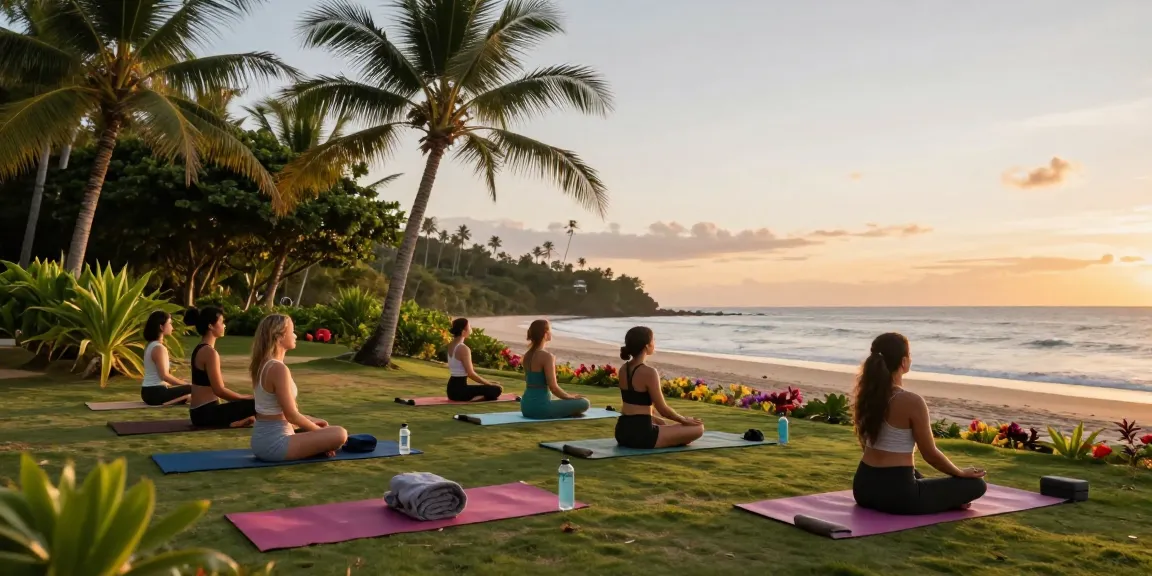
- Yoga Retreats: These focus on enhancing physical and mental well-being through yoga practices and philosophy.
- Detox Retreats: Many retreats emphasize cleansing the body through juice fasting, nutrition workshops, and holistic treatments.
- Spiritual Retreats: Aimed at personal growth and self-discovery, these often involve meditation, reflection, and spiritual guidance.
- Fitness Retreats: Focusing on physical health, these retreats typically include intense workout sessions and nutrition education.
- Mindfulness Retreats: These aim to enhance mental clarity through meditation and stress-management techniques.
Researching Locations and Facilities
Before committing to a wellness retreat, thorough research of the location and facilities is crucial. Look for reviews from previous participants to gauge their experiences and satisfaction levels. Additionally, confirm the amenities offered, such as accommodations, meal options, and access to wellness services like spa treatments or fitness classes.
Consider reaching out to the retreat organizers with any questions or special requests to ensure a comfortable experience that aligns with your wellness goals.
Preparing for Your Wellness Retreat
Preparation can significantly impact your experience, enhancing both your comfort and engagement. Here are some key steps to take before you embark on your retreat journey.
Packing Essentials for a Successful Experience
- Comfortable Clothing: Bring breathable and flexible clothing suitable for yoga and outdoor activities.
- Personal Items: Don't forget essential items like toiletries, medications, and any personal comfort items (like a journal).
- Yoga Mat: If you're attending a yoga-focused retreat, check if mats are provided or if you should bring your own.
- Water Bottle: Staying hydrated is crucial, so a reusable bottle is essential.
- Snacks: Healthy snacks can supplement your meals, especially if dietary preferences are not entirely aligned with the retreat’s offerings.
Setting Intentions Before Attending
Intentions act as a guiding force throughout your retreat experience. Before attending, take time to reflect on what you wish to achieve or gain from your time away. This could be anything from reducing anxiety to improving physical fitness or fostering creativity.
Writing down your intentions can serve as a motivational reminder during your retreat, keeping your focus aligned with your wellness goals.
Understanding Dietary Restrictions and Preferences
Many wellness retreats cater to specific dietary needs, including vegetarian, vegan, gluten-free, and other common restrictions. However, it's paramount to confirm these options before booking. Reach out to the retreat organizers to discuss your dietary preferences, ensuring that the food served aligns with your requirements for optimal health and comfort.
Experiencing a Wellness Retreat
Once you arrive at your chosen wellness retreat, immersing yourself fully in the experience is vital. Here’s what to expect during your time away.
Typical Activities and Workshops Offered
- Yoga and Movement Classes: Daily sessions aimed at promoting physical flexibility and mental calmness.
- Meditation Sessions: Guided practices to help participants focus and reduce mental clutter.
- Nutritional Workshops: Educational segments focusing on healthy eating and cooking demonstrations.
- Group Discussions: Opportunities to share experiences and learn from others on similar paths.
- Nature Walks: Activities that encourage connecting with the environment, promoting both mental and physical wellness.
Making the Most of Your Time at the Retreat
To fully benefit from your wellness retreat, immerse yourself in the activities offered and engage with fellow participants. Approach each session with an open mind, ready to learn and grow. Allow yourself to disconnect from daily distractions and embrace the calm atmosphere.
Participating actively and being open to new experiences can lead to profound insights and personal breakthroughs.
Building Connections with Other Participants
Wellness retreats often create a supportive community environment. Take the opportunity to connect with fellow attendees by sharing stories and experiences during group activities or meal times. Building these connections can enhance your experience, offering a sense of belonging and mutual support on your wellness journey.
Post-Retreat Integration
After returning home, it’s essential to integrate the lessons learned during your retreat into your daily life to maintain momentum toward wellness.
Applying Lessons Learned in Daily Life
The insights and practices gained from your retreat can significantly impact your everyday routine. Whether it's incorporating daily meditation, practicing mindfulness, or adapting healthier eating habits, applying these lessons can foster sustained growth.
Consider creating a personal action plan that outlines how you’ll incorporate these practices, setting achievable goals and timelines to hold yourself accountable.
Maintaining Connections with Fellow Attendees
Keeping in touch with fellow participants can provide ongoing support and encouragement as you all navigate your wellness journeys. Establish communication through social media, email groups, or regular meet-ups to continue sharing experiences and insights gained from your retreats.
Future Trends in Wellness Retreats for 2026 and Beyond
The wellness retreat industry is continuously evolving, and several trends are emerging for the future:
- Virtual Retreats: With the rise of technology, many retreats now offer virtual experiences, making wellness accessible from home.
- Focus on Mental Health: A stronger emphasis on mental health practices, including therapies and workshops, is anticipated.
- Customized Wellness Programs: Increased personalization based on individual health assessments and preferences can enhance participant experiences.
- Eco-Friendly Retreats: Sustainability is becoming more significant, with retreats adopting eco-friendly practices in their operations.
- Integration of Traditional Healing Practices: A growing interest in holistic and alternative healing methods is predicted to shape future offerings.
What should I expect from a wellness retreat?
Participants can expect a structured environment focused on health and well-being, featuring activities like yoga, meditation, and workshops. The experience aims to rejuvenate both body and mind while providing tools for continued wellness.
How do I choose the best wellness retreat for my needs?
Identifying your goals, researching different retreats, and considering factors like location, duration, and available activities can help you choose the best option tailored to your wellness journey.
What should I pack for my wellness retreat experience?
It’s essential to pack comfortable clothing, personal items, a yoga mat (if applicable), water bottle, and healthy snacks to ensure you are prepared for all activities during your retreat.
Can wellness retreats accommodate dietary restrictions?
Yes, many wellness retreats cater to specific dietary needs. However, it’s crucial to communicate your requirements with the organizers ahead of time to ensure suitable meal options are available.
How can I maintain the benefits of my retreat after returning home?
Incorporating lessons learned into your daily routine, staying connected with fellow participants, and setting personal wellness goals can help maintain the positive effects of your retreat experience long after it concludes.