
Introduction
PCB assembly services are the backbone of modern electronics manufacturing. Every electronic device, from smartphones and laptops to industrial automation systems and medical equipment, relies on professionally assembled printed circuit boards to function reliably. Whether you are a startup developing a new product, an established electronics company, or an engineer looking for dependable manufacturing solutions, choosing the right PCB assembly services can make a significant difference in product quality, production speed, and overall cost.
Professional PCB assembly services ensure that electronic components are accurately mounted, soldered, inspected, and tested before reaching the final product stage. As technology continues to evolve, manufacturers require high-precision assembly techniques capable of handling increasingly complex circuit designs while maintaining exceptional quality standards.
In this comprehensive guide, we will explore everything you need to know about PCB assembly services, including the assembly process, different assembly methods, benefits, applications, quality standards, factors to consider when selecting a service provider, and future industry trends.
What Are PCB Assembly Services?
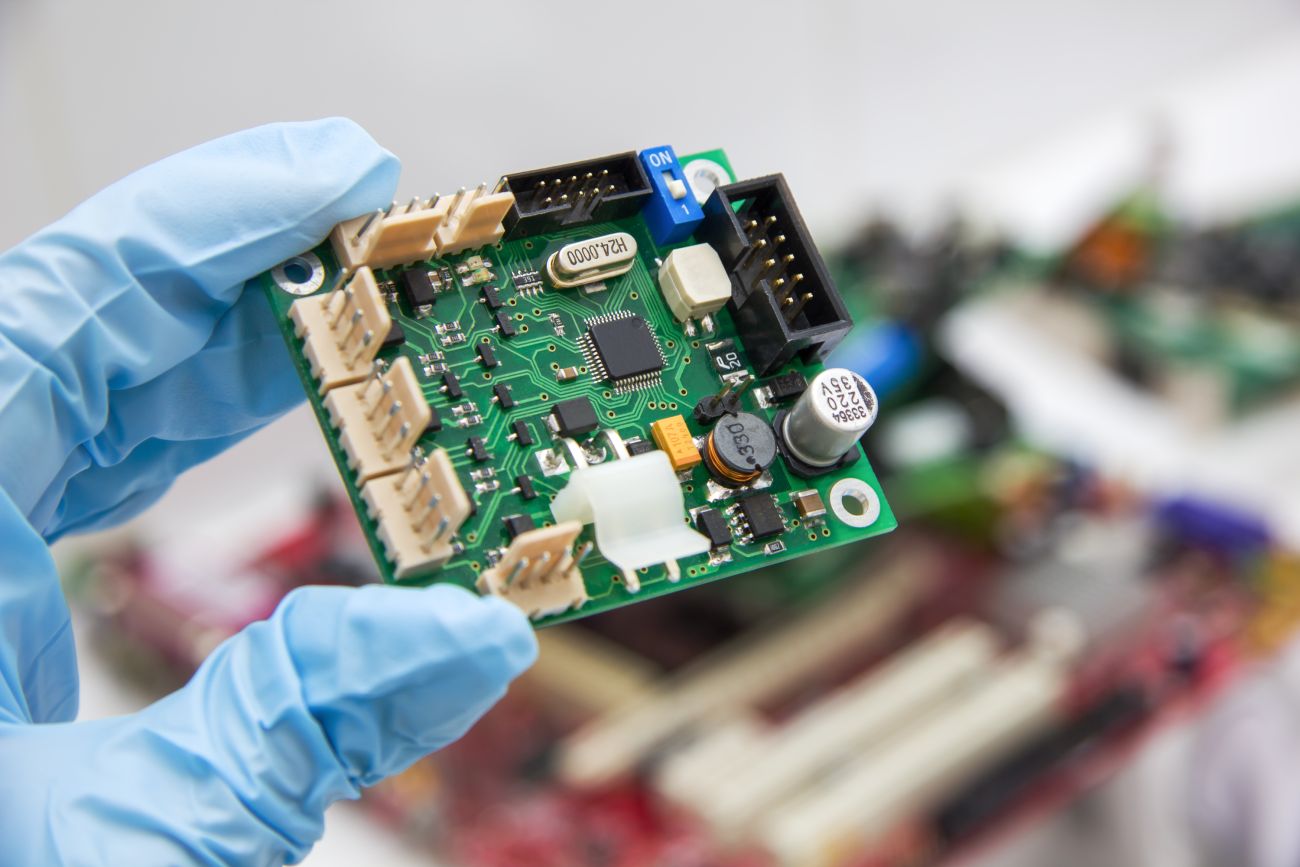
PCB assembly services refer to the complete manufacturing process of attaching electronic components onto a printed circuit board (PCB). After the PCB fabrication process is completed, the board is sent for assembly, where resistors, capacitors, integrated circuits, connectors, and other electronic components are mounted according to the design specifications.
Professional PCB assembly services involve advanced equipment, skilled technicians, automated production lines, and strict quality control procedures to ensure each circuit board performs exactly as intended.
Modern assembly providers offer services ranging from prototype production to high-volume manufacturing while maintaining consistent product quality and reliability.
Why PCB Assembly Services Are Important
Electronic products require precision, reliability, and durability. Even a small assembly mistake can cause product failure or reduced performance.
Reliable PCB assembly services help manufacturers achieve:
- Accurate component placement
- High production efficiency
- Consistent product quality
- Reduced manufacturing errors
- Lower production costs
- Faster product development
- Improved product reliability
- Better compliance with international quality standards
Professional assembly companies also help businesses shorten production cycles while ensuring every PCB meets industry requirements.
The PCB Assembly Process
Understanding how PCB assembly services work helps businesses make informed manufacturing decisions.
Solder Paste Application
The first step involves applying solder paste to designated areas of the PCB using a stainless steel stencil. The solder paste ensures secure electrical and mechanical connections between components and the board.
Accurate solder paste deposition is critical because it directly affects solder joint quality.
Component Placement
Automated pick-and-place machines position thousands of electronic components onto the PCB with exceptional speed and accuracy.
Modern PCB assembly services use intelligent placement systems capable of handling miniature components while minimizing production errors.
Reflow Soldering
After components are placed, the PCB passes through a reflow oven where controlled temperatures melt the solder paste, permanently attaching components to the board.
Proper temperature control ensures strong and reliable solder joints.
Through-Hole Component Assembly
Certain components require insertion through drilled holes before soldering.
Although surface mount technology dominates modern manufacturing, many PCB assembly services still provide through-hole assembly for components requiring greater mechanical strength.
Inspection
Every assembled board undergoes inspection using advanced technologies such as:
- Automated Optical Inspection (AOI)
- X-ray inspection
- Manual visual inspection
These inspection methods identify defects before final testing.
Functional Testing
The completed PCB undergoes electrical and functional testing to verify proper operation.
Professional PCB assembly services perform comprehensive testing to ensure each board meets customer specifications before shipment.
Types of PCB Assembly Services
Different electronic products require different assembly techniques.
Surface Mount Technology (SMT)
Surface Mount Technology is the most widely used assembly method.
Components are mounted directly onto the PCB surface without inserting leads through holes.
Benefits include:
- Faster production
- Smaller board size
- Higher component density
- Improved automation
- Lower manufacturing costs
Most modern PCB assembly services specialize in SMT production.
Through-Hole Assembly
Through-hole technology involves inserting component leads into drilled holes before soldering.
Advantages include:
- Strong mechanical connections
- High durability
- Better performance under vibration
- Suitable for heavy components
Many industrial and aerospace products still require through-hole assembly.
Mixed Technology Assembly
Many electronic products combine SMT and through-hole components.
Professional PCB assembly services provide mixed technology assembly to accommodate complex product requirements.
Benefits of Professional PCB Assembly Services
Working with experienced manufacturers offers numerous advantages.
Superior Quality
Professional PCB assembly services use automated equipment, skilled technicians, and strict inspection procedures to maintain consistent quality.
Faster Production
Automated production lines significantly reduce manufacturing time compared to manual assembly.
This enables businesses to launch products more quickly.
Cost Savings
Outsourcing PCB assembly services eliminates the need to invest in expensive manufacturing equipment, production facilities, and skilled labor.
Businesses can focus on product development while reducing operational costs.
High Precision
Modern assembly machines accurately place tiny components with micron-level precision.
This level of accuracy is difficult to achieve through manual assembly.
Scalability
Professional manufacturers can handle:
- Prototype assembly
- Small production runs
- Medium-volume production
- Large-scale manufacturing
This flexibility allows businesses to scale production according to market demand.
Industries That Use PCB Assembly Services
Many industries depend on reliable PCB assembly services for manufacturing advanced electronic products.
Consumer Electronics
Products include:
- Smartphones
- Tablets
- Smartwatches
- Gaming consoles
- Smart home devices
Automotive Industry
Modern vehicles contain dozens of electronic control systems requiring precision PCB assembly.
Applications include:
- Engine control units
- Infotainment systems
- Safety systems
- Navigation equipment
Medical Devices
Medical electronics require highly reliable PCB assembly services due to strict quality and safety requirements.
Examples include:
- Patient monitoring systems
- Diagnostic equipment
- Imaging devices
- Wearable medical technology
Industrial Automation
Factories rely on assembled PCBs for:
- Robotics
- Industrial controllers
- Sensors
- Automation equipment
Aerospace and Defense
Mission-critical electronics demand extremely high manufacturing standards.
Professional assembly ensures reliability under harsh operating conditions.
Quality Standards in PCB Assembly Services
Quality is one of the most important aspects of PCB manufacturing.
Leading PCB assembly services comply with internationally recognized standards.
These standards include:
- ISO 9001
- IPC-A-610
- RoHS Compliance
- ISO 13485 for medical electronics
- IATF 16949 for automotive manufacturing
Compliance ensures consistent quality and customer confidence.
Testing Methods Used in PCB Assembly Services
Testing verifies product performance before shipment.
Common testing methods include:
Automated Optical Inspection
AOI uses high-resolution cameras to detect assembly defects.
X-Ray Inspection
X-ray systems inspect hidden solder joints beneath components such as BGAs.
In-Circuit Testing
This method verifies electrical connections and identifies faulty components.
Functional Testing
The assembled board is tested under real operating conditions.
Professional PCB assembly services often combine multiple testing methods to maximize product reliability.
Factors to Consider When Choosing PCB Assembly Services
Selecting the right manufacturing partner requires careful evaluation.
Manufacturing Experience
Choose companies with extensive experience in PCB manufacturing and assembly.
Experienced providers understand complex product requirements and industry standards.
Equipment and Technology
Modern equipment improves production speed, accuracy, and consistency.
Advanced PCB assembly services use automated production lines with state-of-the-art machinery.
Quality Assurance
Verify the company's inspection procedures and certifications before placing production orders.
A strong quality management system reduces manufacturing risks.
Engineering Support
Many manufacturers offer design review services that improve manufacturability before production begins.
Engineering support helps reduce production errors and optimize costs.
Production Capacity
Ensure the manufacturer can support both current and future production requirements.
Scalable PCB assembly services provide flexibility as business demand increases.
Delivery Performance
Reliable delivery schedules help businesses maintain product launch timelines and customer satisfaction.
Common Challenges in PCB Assembly
Although modern manufacturing is highly automated, several challenges still exist.
These include:
- Component shortages
- Miniaturized electronic designs
- Complex multilayer PCBs
- Thermal management
- Fine-pitch component placement
- Maintaining consistent quality
Professional PCB assembly services address these challenges through advanced manufacturing processes and continuous quality improvement.
PCB Assembly Services for Prototype Development
Prototype assembly plays an important role in product development.
Prototype PCB assembly services allow engineers to:
- Validate circuit designs
- Test product functionality
- Identify design improvements
- Reduce development risks
- Accelerate product launches
Rapid prototype assembly shortens development cycles and improves final product quality.
Future Trends in PCB Assembly Services
The electronics industry continues to evolve rapidly.
Future developments in PCB assembly services include:
Greater Automation
Artificial intelligence and robotics are improving manufacturing efficiency while reducing human error.
Miniaturization
Electronic devices continue becoming smaller, requiring higher precision assembly techniques.
Smart Manufacturing
Industry 4.0 technologies enable real-time production monitoring and predictive maintenance.
Sustainable Manufacturing
Manufacturers are adopting environmentally friendly materials, energy-efficient equipment, and waste reduction practices.
Advanced Inspection Systems
Machine learning and AI-powered inspection systems are improving defect detection and production quality.
These innovations will continue enhancing the efficiency and reliability of PCB assembly services across global industries.
How PCB Assembly Services Improve Product Reliability
Reliable electronic products depend on accurate assembly, proper soldering, and comprehensive testing.
Professional PCB assembly services reduce manufacturing defects by combining automated equipment with experienced engineering teams.
Every production stage is carefully monitored to ensure consistent electrical performance, mechanical strength, and long-term durability. This attention to detail helps manufacturers reduce warranty claims, improve customer satisfaction, and build a stronger reputation in competitive markets.
As electronic products become increasingly sophisticated, investing in dependable assembly solutions becomes even more important for long-term success.
Conclusion
Modern electronics cannot exist without reliable PCB assembly services. From consumer electronics and automotive systems to medical devices and industrial automation, professionally assembled printed circuit boards provide the performance, durability, and precision required by today's technology-driven world.
Choosing experienced PCB assembly services gives businesses access to advanced manufacturing equipment, highly skilled technicians, strict quality control, and comprehensive testing processes. These advantages lead to faster production, reduced costs, improved product quality, and greater customer satisfaction.
Whether you need prototype development, small production runs, or high-volume manufacturing, partnering with a trusted PCB assembly provider ensures your products meet the highest industry standards while remaining competitive in today's rapidly evolving electronics market. By understanding the assembly process, evaluating manufacturing capabilities, and selecting a quality-focused partner, businesses can confidently bring innovative electronic products to market with exceptional reliability and performance.