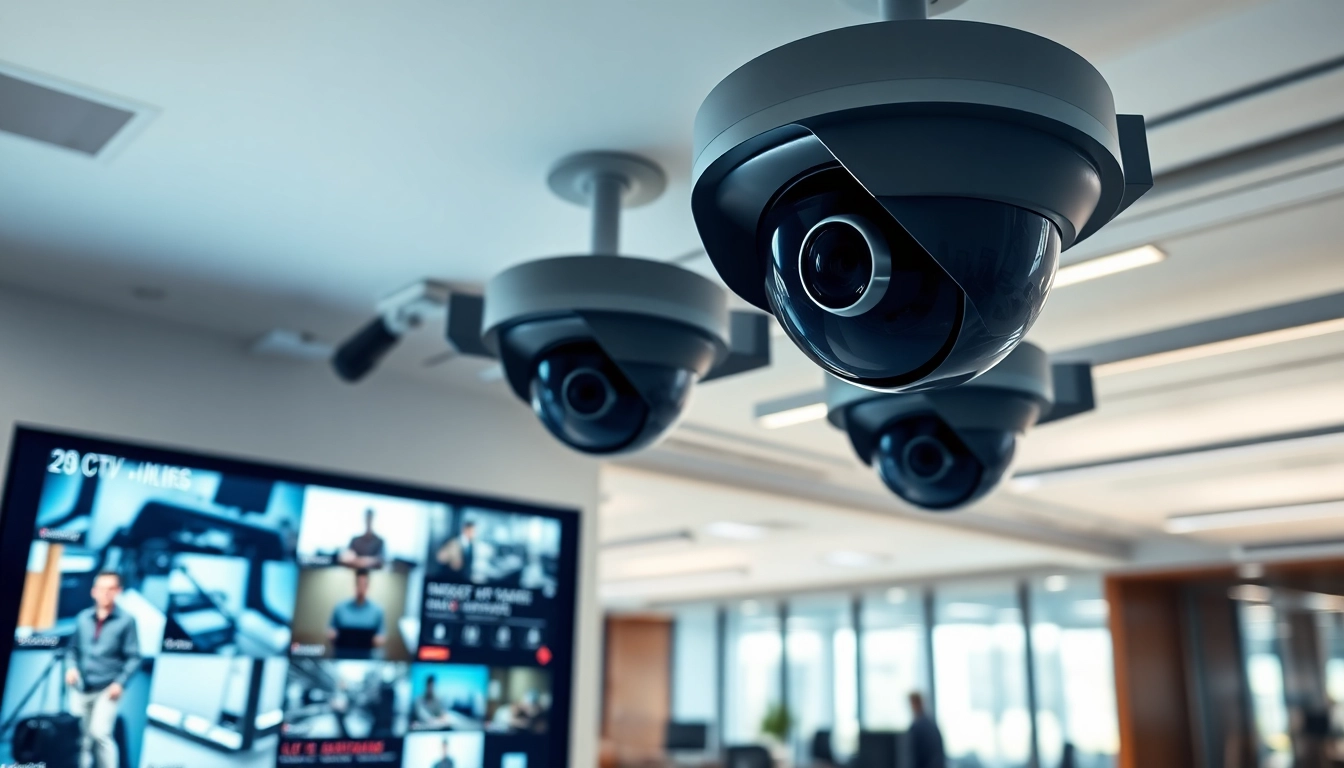
Understanding AI CCTV Monitoring
The landscape of security is rapidly evolving, driven heavily by advancements in artificial intelligence (AI). Today, AI CCTV monitoring stands at the forefront of this transformation, offering enhanced capabilities that traditional systems simply cannot match. In this article, we delve into the intricacies of AI CCTV monitoring, exploring its core functionalities, benefits, and future prospects.
What is AI CCTV Monitoring?
AI CCTV monitoring refers to the integration of artificial intelligence within closed-circuit television (CCTV) systems to enhance surveillance capabilities. Unlike traditional video surveillance systems that rely solely on human operators to interpret footage, AI-powered systems can analyze video data in real-time. These systems utilize machine learning algorithms to recognize patterns, detect anomalies, and provide actionable insights, facilitating a more proactive approach to security management.
Key Features of AI CCTV Monitoring Systems
- Real-Time Analytics: AI systems process video feeds instantly, enabling them to flag potential security threats as they occur.
- Behavioral Recognition: Advanced algorithms are designed to learn typical behavior patterns and to identify deviations that may indicate suspicious activities.
- Facial Recognition: Many AI CCTV systems incorporate facial recognition capabilities to identify individuals, enhancing security and operational efficiency.
- Integration Capabilities: AI CCTV monitoring can easily integrate with existing security protocols and systems, boosting overall security infrastructure.
- Reduced False Alarms: By leveraging intelligent detection methods, these systems minimize the frequency of false alarms, allowing security personnel to focus on real threats.
Benefits of AI CCTV Monitoring
The shift towards AI CCTV monitoring provides several advantages over traditional systems:
- Increased Efficiency: AI significantly reduces the workload on human monitors, allowing for greater focus on critical threats.
- Cost-Effectiveness: Over time, these systems can decrease overall security costs by reducing incidents through proactive monitoring and minimizing false alerts.
- Improved Accuracy: AI algorithms continuously learn and adapt, leading to enhanced accuracy in detection and response times.
- Scalability: AI CCTV monitoring systems are highly scalable, allowing organizations to expand their security measures to fit changing needs.
How AI CCTV Monitoring Works
Core Technologies Behind AI CCTV Monitoring
At the heart of AI CCTV monitoring systems are several key technologies:
- Machine Learning: This subset of AI allows systems to learn from experience, improving their detection capabilities without human intervention.
- Deep Learning: Through neural networks, deep learning enhances pattern recognition, enabling systems to identify more complex behaviors.
- Cloud Computing: Many systems utilize cloud infrastructure to store and analyze massive amounts of video data, providing greater scalability and accessibility.
Real-Time Surveillance Capabilities
Real-time surveillance is one of the standout features of AI technologies. This capability allows systems not only to record video but also to analyze it instantaneously. When an abnormal activity is detected, alerts can be sent to security personnel immediately, enabling a swift response. This shift from reaction to proactivity significantly enhances security effectiveness.
Data Analytics in AI CCTV Monitoring
A major advantage of AI CCTV monitoring is its data analysis capabilities. The systems gather and analyze large volumes of video data, generating insights about patterns, peak activity times, and potential vulnerabilities within physical premises. This data-driven approach equips organizations with valuable information that can inform broader security strategies and operational improvements.
Choosing the Right AI CCTV Monitoring System
Factors to Consider When Selecting Systems
When investing in an AI CCTV monitoring system, consider the following factors:
- Purpose: Clearly define the main objectives for deploying an AI CCTV system, including safety, loss prevention, or operational insights.
- Features: Assess the specific features required based on your unique security needs, such as facial recognition, heat mapping, or license plate detection.
- Integration Options: Ensure the system can integrate smoothly with existing security measures and technology.
- Scalability: Select a solution that can grow with your organization’s needs over time.
Comparison of AI CCTV Monitoring Types
AI CCTV monitoring systems can be categorized into different types, each with unique features and strengths:
- Standalone Systems: These are self-contained units with integrated AI capabilities, ideal for smaller setups.
- Networked Systems: Suitable for larger installations, these systems connect multiple cameras and can share data across a local network.
- Cloud-Based Systems: Offering flexibility, cloud systems enable remote access to footage and analysis capabilities from anywhere.
Budgeting for Your AI CCTV Monitoring Setup
The cost of AI CCTV monitoring systems varies widely based on several factors, including the technology used, installation complexity, and additional features. It is essential to evaluate the total cost of ownership, including installation, maintenance, and subscription fees for cloud services. Establishing a clear budget that aligns with your security goals is critical for effective planning.
Implementing AI CCTV Monitoring
Step-by-Step Guide to Setting Up AI CCTV Monitoring
Implementing an AI CCTV monitoring system involves several key steps:
- Assessment: Conduct a comprehensive security audit to identify vulnerabilities and requirements.
- Select Equipment: Choose the appropriate cameras, software, and hardware based on your assessment.
- Installation: Work with professionals to install the cameras and configure the system for optimal performance.
- Training: Provide training for staff on how to use the monitoring software effectively.
- Testing: Regularly test the system to ensure all components function correctly and address any issues promptly.
Common Challenges and Solutions
Organizations may face several challenges during the implementation of AI CCTV monitoring:
- Integration Issues: Legacy systems may not integrate well with new technology. Solution: Choose AI systems with broad compatibility and consult with IT professionals during the planning stages.
- Data Privacy Concerns: Implementing AI might raise privacy issues. Solution: Ensure compliance with relevant laws and best practices concerning data protection.
- High Initial Costs: Upfront costs can be significant. Solution: Opt for a phased implementation to spread costs over time while gradually enhancing security.
Integrating AI CCTV Monitoring into Existing Security
For organizations already using traditional CCTV systems, integrating AI CCTV monitoring can significantly enhance their existing security framework. Start by evaluating current security protocols and identify areas where AI can add value. Implementing layered security measures that include both human oversight and automated monitoring can lead to a more robust defense.
Future of AI CCTV Monitoring
Innovations and Trends in AI CCTV Monitoring
The future of AI CCTV monitoring is bright, characterized by continuous innovation. Upcoming trends include advancements in cloud computing, improved machine learning algorithms, and enhanced camera technology such as 4K and thermal imaging. Furthermore, integrating AI with other technologies, such as IoT devices, promises to create even more sophisticated surveillance systems.
Impact of AI on Security Procedures
As AI systems become more prevalent, security procedures will adapt significantly. Organizations will move towards reliance on data-driven decision-making processes for security management. The capacity of AI CCTV monitoring to offer predictive analytics will permit organizations to anticipate potential threats and act before incidents occur, thus elevating security measures to new heights.
Potential for AI CCTV Monitoring in Various Industries
AI CCTV monitoring holds immense potential across multiple sectors, including:
- Retail: To reduce theft and manage customer flow.
- Transportation: For monitoring traffic patterns and enhancing passenger safety.
- Healthcare: To protect sensitive areas and ensure patient safety.
- Corporate: For monitoring premises, ensuring asset protection, and enhancing employee safety.
Frequently Asked Questions
What are the main benefits of AI CCTV monitoring?
AI CCTV monitoring enhances security by analyzing video feeds in real-time, reducing false alarms and ensuring quicker response to incidents.
How does AI CCTV monitoring differ from traditional surveillance?
AI CCTV monitoring utilizes advanced algorithms to analyze behaviors and patterns, while traditional systems often rely solely on human monitoring.
What industries benefit most from AI CCTV monitoring?
Industries such as retail, transport, and corporate environments gain significant advantages from AI CCTV monitoring by improving security and operational efficiency.
Is AI CCTV monitoring expensive to implement?
The cost varies widely based on the systems chosen, features required, and scale, but investing in AI CCTV monitoring can lead to long-term savings in security management.
Can AI CCTV monitoring integrate with other security systems?
Yes, AI CCTV monitoring can often integrate smoothly with existing security setups, providing a comprehensive solution for enhanced safety.