Understanding Car Detailing Essentials
What is Car Detailing?
Car detailing is a thorough cleaning and restoration process aimed at enhancing the overall appearance of a vehicle. It goes beyond the usual car wash, encompassing both the interior and exterior aspects of the vehicle. Detailing typically involves cleaning and polishing surfaces, applying protective coatings, and ensuring that each part of the vehicle is meticulously cared for. This not only improves aesthetics but also maintains the car's value over time.
Benefits of Proper Car Detailing
Engaging in proper car detailing offers numerous benefits. Firstly, it helps maintain the vehicle's aesthetic appeal, making it look brand new. Secondly, regular detailing can protect your car’s paint from environmental damage such as UV rays, dirt, and harsh weather elements. This preservation of the exterior finish can extend the vehicle’s lifespan significantly. Additionally, keeping the interior clean can improve air quality and provide a healthier environment for passengers. Moreover, a well-maintained vehicle tends to hold its resale value better than one that is poorly cared for.
Common Misconceptions About Car Detailing
Many people believe that car detailing is merely a luxury reserved for those with expensive vehicles. However, detailing is essential for all types of cars regardless of their market value. Another misconception is that car detailing is synonymous with a basic car wash; in reality, detailing involves intricate processes that require specialized skills and products. Lastly, some assume that detailing is only necessary when selling the car, but regular detailing can prevent deterioration and enhance the driving experience consistently.
What Products Do I Need to Detail My Car?
Basic Cleaning Supplies
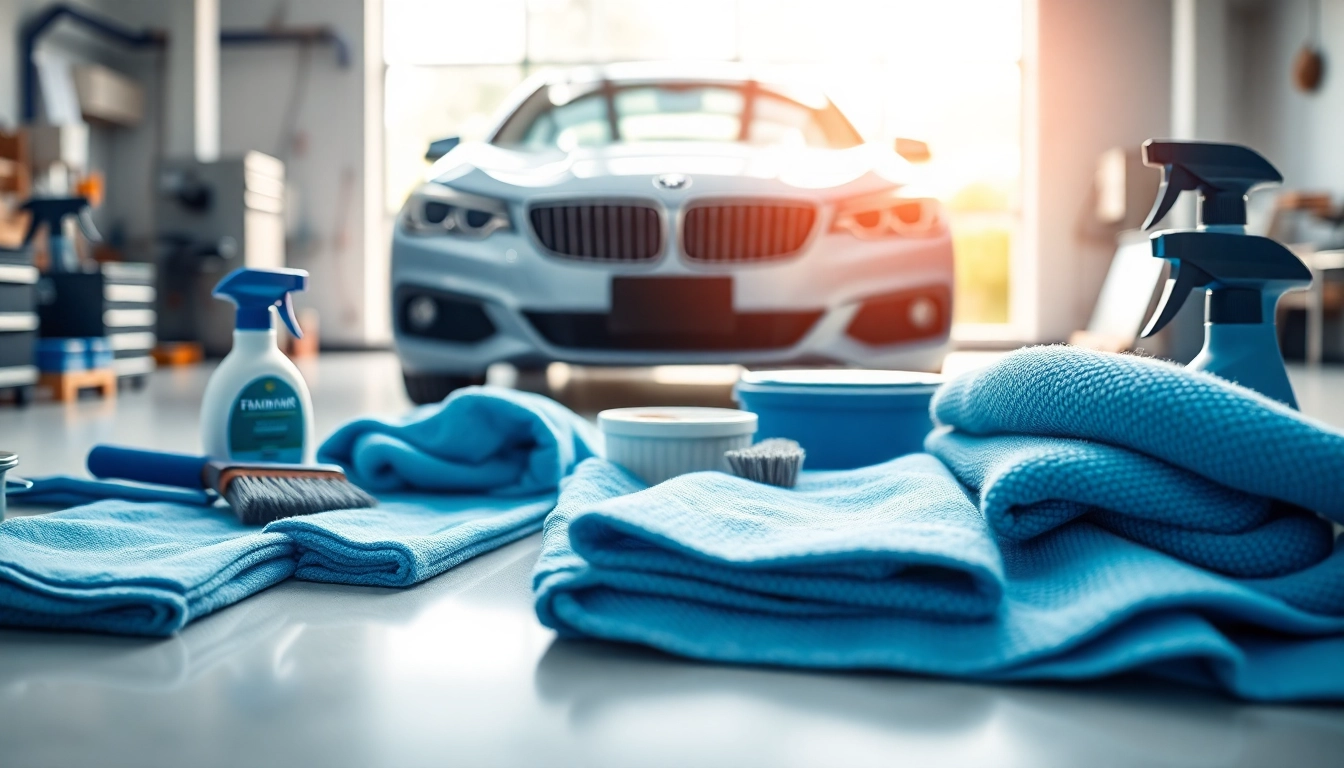
The foundation of any detailing job is a set of high-quality cleaning supplies. These include:
- Car Wash Shampoo: A pH-balanced car wash soap is crucial for effectively removing dirt without stripping protective coatings.
- Microfiber Towels: These are essential for drying the car and cleaning without causing scratches.
- Wash Mitts: A microfiber or lambswool wash mitt helps in safely washing the vehicle's surface.
- Buckets: Two buckets—one for the wash solution and another for rinse water—help prevent dirt from scratching the paint.
- Glass Cleaner: A specialized automotive glass cleaner is important for achieving streak-free windows.
- All-Purpose Cleaner: Useful for cleaning various surfaces, including carpets, upholstery, and plastics.
Advanced Detailing Tools
For those looking to take their detailing to the next level, investing in advanced tools can make a significant difference. Here’s a list of must-have detailing tools:
- Vacuum Cleaner: A powerful vacuum is essential for removing dirt, hair, and debris from upholstery and carpets.
- Steam Cleaner: Ideal for sanitizing surfaces and removing tough stains from fabric or upholstery.
- Polisher: An electric polisher can help restore paint by eliminating fine scratches and swirls.
- Pressure Washer: A pressure washer can be effective for pre-washing and removing grime from surfaces.
- Detailing Brushes: Various brushes (wheel brush, detailing brush) help clean intricate areas without damaging surfaces.
Protective Products and Finishing Touches
After cleaning, applying protective products is vital for maintaining your car's appearance:
- Wax or Sealant: Waxing protects the paint and creates a glossy finish, while sealants offer durable protection for several months.
- Wheel Cleaner: A specialized wheel cleaner helps eliminate brake dust and road grime.
- Tire Shine: Keeps tires looking new by adding a deep, rich shine while protecting against UV damage.
- Interior Protectant: Preserves and protects dashboard materials from fading and cracking.
- Fabric Protector: This helps repel stains and spills on upholstery and carpets, making maintenance easier.
Step-by-Step Guide to Detailing Your Car
Preparing Your Car for Detailing
Before diving into the actual detailing process, preparation is key. Start by gathering all necessary products and tools in an organized manner. Ensure that the vehicle is parked in a shaded area to prevent cleaning solutions from drying too quickly. Remove any personal belongings from the car and do a quick inspection to identify any specific areas that need extra attention.
Washing and Cleaning Process
Begin by rinsing the entire vehicle to remove loose dirt. Using the two-bucket method, wash the car starting from the top and working your way down to avoid redistributing dirt. Be cautious around sensitive areas like the grille and trim. After washing, rinse well and dry the car with a microfiber towel.
Next, tackle the wheels, as they often have the most significant buildup of grime. Use a dedicated wheel cleaner and brush to scrub the wheels and tires. After that, move to the interior; vacuum the seats, carpets, and mats thoroughly, and use an all-purpose cleaner for surfaces. Follow up by treating fabric upholstery with suitable shampoos or steam cleaning for deeper stains.
Finishing Your Car with Proper Techniques
Once the cleaning process is complete, focus on the finishing touches. Apply wax or sealant to the exterior, working in small sections to ensure even coverage. Once the wax has hazed, buff it out using a clean microfiber towel for a superior shine. Don’t forget to dress the tires and apply protectants to the interior surfaces to maintain luster and longevity.
Tips from Professionals for Effective Car Detailing
Best Practices in Choosing Products
When selecting products, always opt for high-quality items specifically designed for automotive care. Read reviews and seek recommendations from knowledgeable sources. Testing products on small, inconspicuous areas first can prevent any unexpected reactions with your vehicle’s surfaces. Remember, a well-selected product can simplify your detailing process significantly.
Common Mistakes to Avoid
One common mistake is skipping essential steps like washing before applying wax, which can introduce contaminants that tarnish the finish. Overusing products can lead to buildup, which can be harder to remove. Additionally, neglecting to properly maintain tools can diminish their effectiveness over time. Always clean brushes and towels after use to ensure they are ready for the next detailing session.
When to Seek Professional Help
While DIY detailing can be fulfilling, there are scenarios when professional help is warranted. If your car has severe paint damage, such as deep scratches, or if you require specialized treatment, it may be best to visit a professional detailer. Additionally, if you're pressed for time or prefer a perfect finish without the hassle, considering professional detailing can be a worthwhile investment.
Frequently Asked Questions About Car Detailing
How often should I detail my car?
It’s recommended to detail your car every three to six months, depending on usage and environmental conditions. Regular maintenance helps preserve your vehicle's appearance and value.
Can I detail my car at home?
Yes, detailing your car at home is entirely feasible with the right products and tools. Many enthusiasts enjoy the process as it allows for customization according to personal preference.
What are the best products for beginners?
Beginners should start with essential products like quality car wash soap, microfiber towels, an all-purpose cleaner, and a wax or sealant for protection. These provide a solid foundation for effective detailing.
Is detailing worth the investment?
Absolutely, detailing not only enhances the car's appearance but also protects it from wear and tear, potentially increasing its resale value over time.
How long does detailing a car take?
The time required for detailing can range from 2 to 6 hours, depending on the vehicle’s size, condition, and the level of detail desired.
For more information on what products do I need to detail my car, consider these insights to get started on a satisfying detailing experience.