
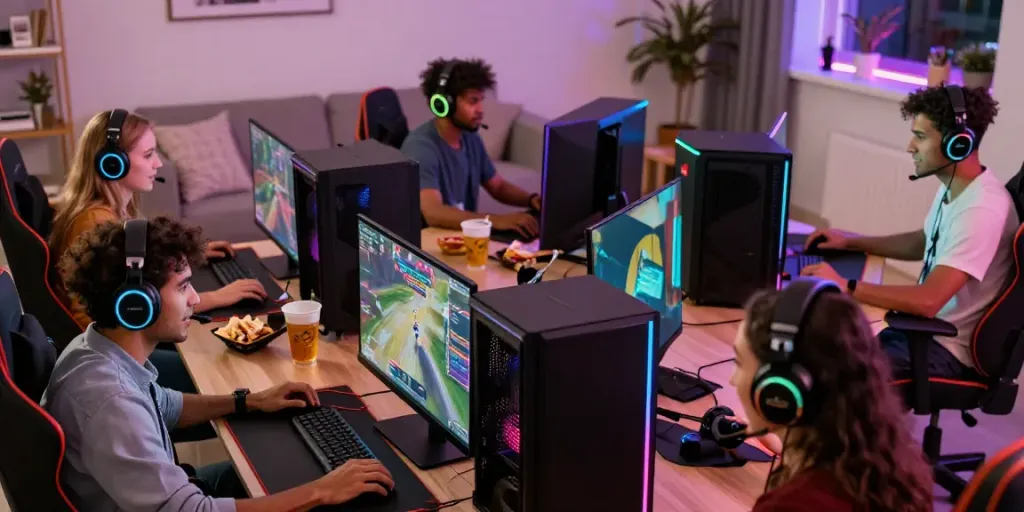
Understanding Multiplayer Game Genres
Choosing the right multiplayer game can significantly enhance your overall gaming experience, especially when you’re playing with friends. The variety of genres available today can cater to diverse tastes, ensuring that there is something for everyone in your group. Whether your friends enjoy battle royale, role-playing, or casual arcade games, understanding these genres is essential for making informed decisions. When exploring options, mild88 provides comprehensive insights into the best choices available for multiplayer fun.
Popular Genres Among Gamers
Multiplayer games can be broadly categorized into several genres, each providing a unique gaming experience. Here are some of the most popular genres:
- Battle Royale: Games like Fortnite and Call of Duty: Warzone have taken the gaming world by storm, offering thrilling experiences where players compete to be the last person standing.
- MOBA (Multiplayer Online Battle Arena): Titles such as League of Legends and Dota 2 emphasize strategic team play and character development, making them a favorite for competitive gaming.
- First-Person Shooter (FPS): Games like Counter-Strike: Global Offensive and Apex Legends focus on fast-paced action, requiring quick reflexes and teamwork.
- Cooperative Games: Titles like Phasmophobia and Overcooked! encourage players to work together to achieve common goals, often leading to hilarious and memorable moments.
Choosing the Right Game Based on Player Preferences
Understanding the preferences of your gaming group is crucial. Take the time to discuss what each member enjoys about gaming. If your friends thrive on competition, FPS and battle royale games may be the right fit. Conversely, if they prefer strategy and teamwork, a MOBA or cooperative game could be more enjoyable.
Impact of Genre on Team Dynamics and Enjoyment
The genre of the game can significantly influence how players interact and collaborate. For instance, in battle royale games, players must adapt to rapidly changing circumstances, enhancing their teamwork and communication skills. On the other hand, in strategy games like MOBAs, deliberate planning and execution can create a more thoughtful and engaging experience.
Essential Hardware Specifications for Gaming
Before diving into multiplayer gaming, it's essential to consider hardware specifications. A well-optimized setup will not only enhance the gaming experience but also ensure smooth performance during intense gameplay sessions.
Minimum Requirements for Popular Games
Each game has its minimum hardware requirements. For instance:
- Fortnite: Requires a Core i3 processor, 4GB RAM, and Intel HD 4000 graphics.
- Valorant: Needs an Intel Core 2 Duo E8400, 4GB RAM, and Intel HD 3000 graphics.
Always check the specific requirements of the game you're interested in to avoid performance issues.
Importance of Frame Rate and Graphics Settings
Frame rate (FPS) and graphics settings play a vital role in the gaming experience. Higher frame rates lead to smoother gameplay, which is ideal for competitive gaming. Graphics settings should be adjusted based on your hardware capability; lowering the settings can provide a significant FPS boost on less powerful machines.
Optimizing Your Setup for Multiplayer Experience
To optimize your gaming setup:
- Ensure your graphics drivers are up to date.
- Close unnecessary background applications to free up resources.
- Consider upgrading to SSD for faster load times.
Communication Tools in Multiplayer Games
Effective communication is key to success in multiplayer games. Utilizing built-in voice chat and pinging systems can elevate your team's performance and cohesion during gameplay.
Benefits of In-Game Voice Chat Features
In-game voice chat allows for real-time communication, which is crucial during intense gameplay. It enables players to share information, strategize, and coordinate movements seamlessly, leading to better teamwork and higher chances of winning.
Effective Use of Pinging Systems
Pinging systems are invaluable for non-verbal communication. Players can indicate where to go, alert others of enemy positions, or suggest tactics without interrupting gameplay. This can be particularly helpful in fast-paced games like Apex Legends.
How Communication Impacts Game Strategy
Clear communication can greatly influence game strategy. Teams that regularly communicate are more likely to coordinate their actions effectively, leading to better outcomes in competitive matches.
Server Stability and Game Updates
Server stability is fundamental for a smooth gaming experience. High latency can lead to frustrating lag, especially during critical moments in the game.
Importance of Low Latency for Competitive Gaming
For competitive gaming, a server with a latency of under 50 ms is ideal. This low latency ensures that players can react quickly to in-game events, maintaining a competitive edge. Always look for servers that provide optimal conditions for gameplay.
How Regular Updates Enhance Gameplay
Game developers that frequently release updates for bug fixes, new content, and balance changes help keep the gameplay fresh and exciting. Regular updates can introduce new features, characters, or maps that enhance player engagement and retention.
Evaluating Game Developer Support
Assessing the level of support from game developers is crucial for long-term satisfaction. Developers that actively engage with their community and prioritize player feedback tend to create better gaming experiences.
Matchmaking Systems and Fair Play
A fair matchmaking system is essential for a balanced competitive environment, ensuring that players of similar skill levels face one another.
Understanding Matchmaking Algorithms
Matchmaking algorithms work by analyzing player performance and statistics to create balanced matches. This is essential for maintaining a healthy competitive environment where both seasoned players and newcomers can enjoy the game.
Impacts of Skill-Based Matchmaking on Player Experience
Skill-based matchmaking (SBMM) aims to create fair competition by pairing players with similar skills. While this can enhance the gaming experience for many, it can also lead to frustration for new players if they consistently find themselves facing highly skilled opponents.
Creating a Healthy Competitive Environment
A well-designed matchmaking system can create a positive atmosphere for players. It allows everyone to have a chance to win and improve, making it essential for developers to continually fine-tune their algorithms.
What Makes a Good Matchmaking System?
A good matchmaking system should balance factors such as player skill, latency, and past performance. It should aim to create matches where both teams have an equal chance of winning, leading to satisfying gaming experiences.