Introduction to Bed Bug Heat Treatment
Combatting bed bug infestations can be a daunting challenge for homeowners and renters alike. Among the various methods available, bed bug heat treatment has emerged as an effective and eco-friendly option. This approach utilizes high temperatures to eliminate bed bugs at all life stages, including their resilient eggs, making it a popular choice for comprehensive pest control.
Understanding How Heat Treatment Works
Heat treatment targets bed bugs by raising the temperature of infested areas typically between 120°F to 145°F (49°C to 63°C). This temperature range is sufficient to kill bed bugs, as they cannot survive prolonged exposure to high heat. By heating a room or space to these levels and maintaining that temperature for a designated period, the entire infestation can be effectively eradicated.
The science behind heat treatment lies in the thermal death point of bed bugs. Research indicates that bed bugs lose their ability to reproduce and ultimately perish at temperatures above 113°F (45°C) after about 90 minutes. However, for complete extermination—including eggs—temperatures must reach lethal levels for a minimum exposure of four to six hours.
Benefits of Choosing Heat Over Other Methods
There are numerous advantages to utilizing heat treatment compared to traditional chemical methods:
- Non-Toxic: Unlike pesticides that may pose health risks to humans and pets, heat treatment is chemical-free and does not leave harmful residues.
- Effective Across Life Stages: Heat treatment effectively kills all life stages of bed bugs, from eggs to adults, ensuring that even the most resilient populations are eradicated.
- Rapid Treatment Time: Many heat treatments can be completed in a single day, allowing homeowners to return to their normal routines quickly.
- Minimal Preparation: Compared to extensive chemical treatments that may require emptying rooms, heat treatment generally requires less preparatory work.
- Environmentally Friendly: This method reduces the reliance on chemical pesticides that can contribute to environmental harm.
A Brief History of Heat Treatment for Bed Bugs
Heat treatment for pest eradication isn't a new concept. Its use can be traced back to the early 20th-century, before the introduction of synthetic pesticides. This method re-emerged in the late 1990s as bed bug populations began to rise globally due to increased travel and pesticide resistance. Pest control professionals began to perfect heat treatment techniques, leading to it becoming a cornerstone of modern pest management strategies.
Preparing for Bed Bug Heat Treatment
Preparation is crucial for the success of bed bug heat treatment. Proper steps can ensure that the process is effective and that the treatment achieves the desired results.
What to Expect Before the Treatment
Before treatment, a pest control professional will conduct a thorough inspection of the premises. This involves identifying the extent of the infestation and determining which areas require heating. They will explain the procedure, expected outcomes, and any safety precautions that need to be adhered to.
Essential Preparations for Your Home
Proper preparation ensures that the heat treatment is efficient and effective. Here are some tips:
- Remove any perishable items such as food from affected rooms. Seal them in airtight containers if removal is not possible.
- Clear areas around baseboards, furniture, and beds for effective heat penetration. Open drawers and closets to allow heat to circulate.
- Launder linens, bedding, and clothing in hot water (over 120°F) to further eliminate potential bed bugs or eggs.
- Inform your pest control provider of any vulnerable items (electronics, plants) to receive specific guidance on how to handle them.
Common Mistakes to Avoid
To maximize the effectiveness of the treatment, avoid these common pitfalls:
- Failing to follow the home preparation suggestions, which can prevent heat from reaching all infestations.
- Neglecting to communicate any concerns or peculiarities in the home that may affect treatment (like major heat-sensitive items).
- Expecting immediate results; while heat is effective, some residual bed bugs may remain initially but will die off post-treatment.
Steps Involved in the Bed Bug Heat Treatment Process
Understanding the specific steps involved in the treatment process helps to demystify the experience and ensure successful outcomes.
Optimal Temperature Settings for Effectiveness
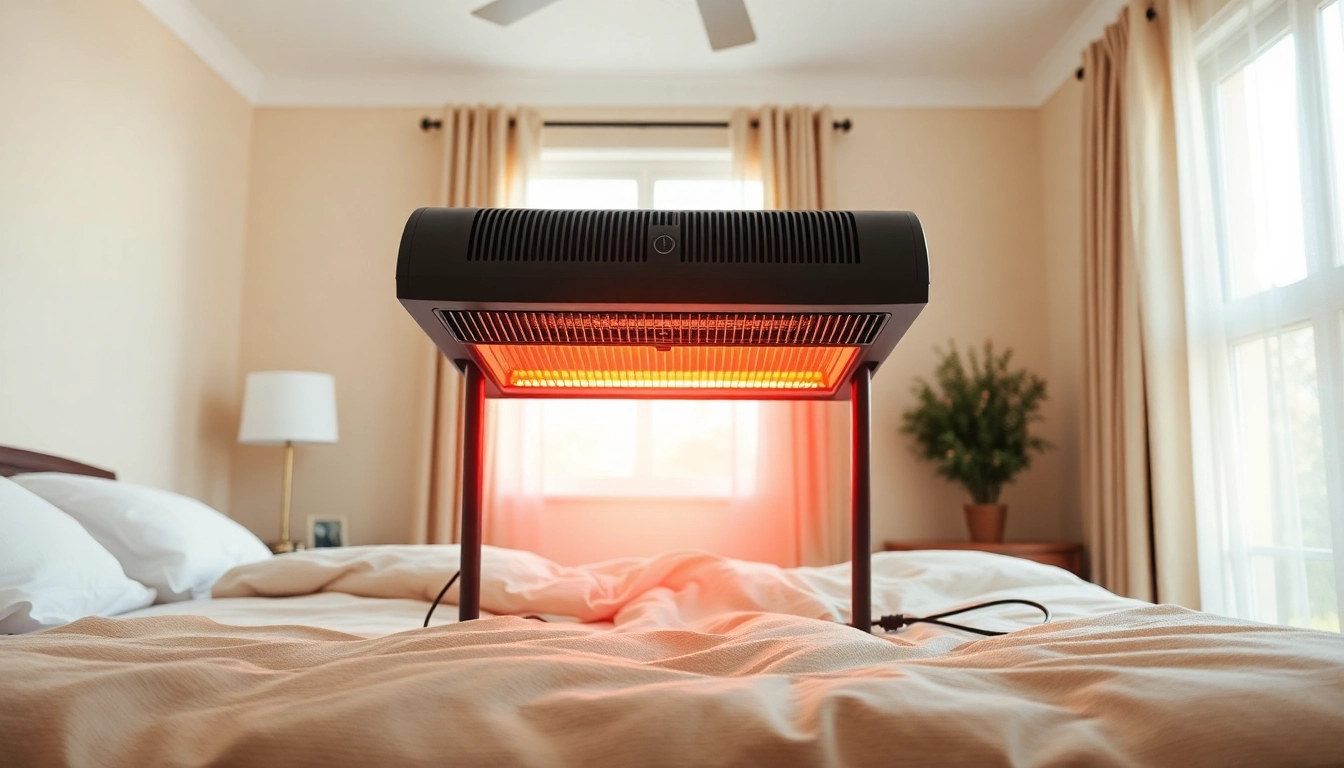
For maximum efficacy, the ambient temperature needs to be raised to at least 135°F (57°C). Technicians typically use specialized heaters and temperature monitoring equipment calibrated to achieve and maintain this lethal temperature. They will continuously monitor the temperature using thermocouples placed strategically throughout the treatment area. The key is sustaining that temperature consistently over the treatment duration.
Duration of Treatment to Ensure Success
The recommended treatment duration generally ranges from four to six hours, depending on the severity of the infestation and the size of the area being treated. During this time, it is critical that the temperatures remain consistent, as fluctuations can allow some bed bugs to survive the treatment. Professionals will often conduct checks to ensure the heat is sufficient throughout the entirety of the treatment.
Safety Measures During the Process
While heat treatments are generally safe, taking precautions is essential:
- Evacuate all people and pets from the premises before the treatment begins.
- Ensure that the heating equipment is operated by trained professionals to prevent any hazards.
- Keep flammable materials away from heat sources to avert fire risks.
Aftercare Following Bed Bug Heat Treatment
Post-treatment care is vital for reinforcing treatment effectiveness and ensuring that the bed bug problem is fully resolved.
Post-Treatment Recovery Checklist
After the treatment, take these follow-up actions:
- Wait at least 4-6 hours before re-entering the treated space, allowing ample time for the heat to disperse.
- Inspect the area for any signs of remaining bed bugs, such as shed skins or droppings.
- Avoid immediately bringing in new items (like luggage or used furniture) that could re-infest the area.
Signs of Successful Treatment
Post-treatment indicators include:
- A significant reduction in bed bug sightings or evidence (e.g., fecal stains).
- Improved sleep quality and the absence of bite marks in the weeks following treatment.
- Consultation feedback from pest control professionals confirming that no live bugs are found during follow-up visits.
Scheduling Follow-Up Inspections
Follow-up inspections within a few weeks of treatment are essential. They help ascertain that the infestation has been thoroughly addressed and give homeowners peace of mind. Regular inspections in the future can help in early detection if infestations ever return.
FAQs About Bed Bug Heat Treatment
How long does bed bug heat treatment take?
A typical bed bug heat treatment can take anywhere from 4 to 6 hours. This duration includes heating the treatment area to the required temperature and ensuring that the heat penetrates effectively to eliminate all bed bug life stages.
Is bed bug heat treatment safe for pets?
Yes, bed bug heat treatment is safe for pets as long as they are removed from the premises during the treatment process. Once the area has cooled down and stabilized, it's safe for pets to return home.
Can I remain in my home during the treatment?
No, it is critical for everyone, including pets, to vacate the premises during heat treatment. This ensures safety and maximizes the effectiveness of the treatment.
What happens if bed bugs return after treatment?
If bed bugs return after treatment, it may indicate that the initial infestation was not fully eradicated or re-infestation occurred. Follow-up inspections by pest control professionals can determine the cause and direct further action.
How can I prevent bed bugs after treatment?
To prevent bed bugs after treatment, consider regular inspections, keeping areas clutter-free, using bed bug-proof covers on mattresses and box springs, and being cautious when bringing items into your home, especially second-hand goods.