
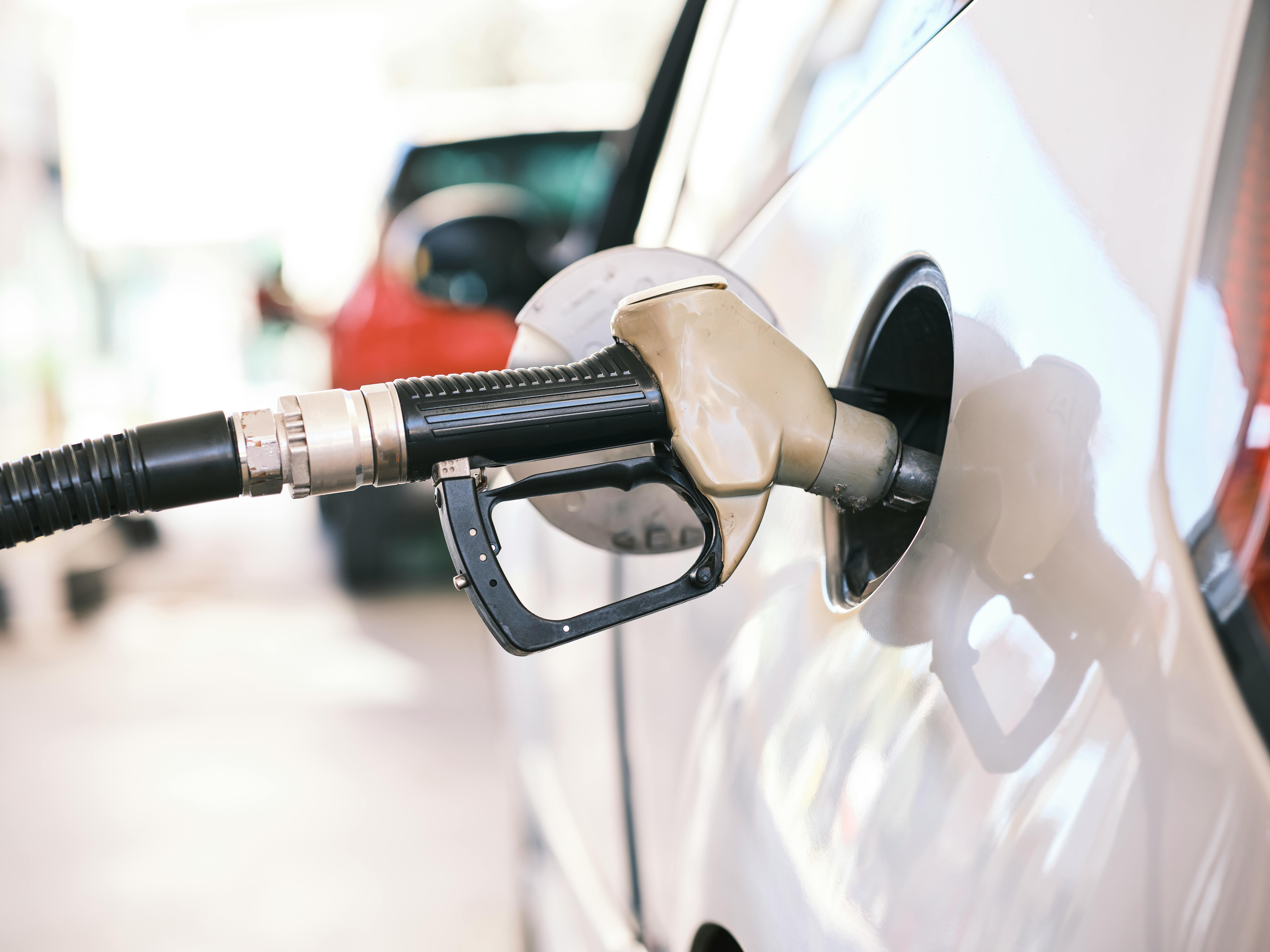
Putting diesel in petrol car fuel systems can range from a minor inconvenience to a very expensive mechanical failure, depending on how much diesel is added and whether the engine has been started. Petrol engines are designed for fast-burning fuel, while diesel behaves very differently inside the system, which creates serious performance and mechanical issues.
Understanding how severe Diesel in petrol car damage can be helps drivers react quickly and avoid long-term engine problems.
How Diesel Affects a Petrol Engine
Petrol engines rely on precise fuel combustion. Diesel is thicker, slower to ignite, and not suitable for spark ignition systems.
When diesel in petrol car contamination occurs, it disrupts:
- Fuel combustion timing
- Injector spray patterns
- Spark plug ignition
- Fuel pump performance
Even a small amount can begin affecting engine behavior.
Light Contamination – Small Amount of Diesel
If only a small amount of diesel is added and the engine is NOT started, damage is usually minimal.
What typically happens
In minor diesel in petrol car cases:
- Fuel stays in the tank
- Engine remains unaffected
- System can be cleaned easily
Possible outcome
A simple fuel drain and refill is often enough to fix the issue with no permanent damage.
Moderate Contamination – Engine Started Briefly
If the engine is started but only runs for a short time, the risk increases.
What starts to get affected
In moderate diesel in petrol car contamination:
- Fuel injectors begin clogging
- Spark plugs may become fouled
- Engine may run roughly
Symptoms may include:
- Rough idling
- Misfiring
- Loss of power
- Smoke from exhaust
At this stage, damage is usually reversible but requires professional cleaning.
Severe Contamination – Engine Driven for Some Time
This is where diesel in petrol car becomes a serious mechanical issue.
What happens inside the engine
When diesel circulates through the system:
- Injectors become heavily blocked
- Fuel pump starts struggling
- Spark plugs fail to ignite properly
- Combustion becomes unstable
Resulting damage
- Engine stalling
- Severe misfiring
- Strong smoke emissions
- Possible breakdown while driving
At this stage, repairs become more complex and expensive.
Damage to Fuel Injectors
Fuel injectors are one of the first components affected.
Why injectors are vulnerable
When diesel in petrol car contamination occurs, diesel leaves deposits that block injector nozzles.
Possible injector damage
- Poor fuel spray pattern
- Reduced engine performance
- Complete injector blockage
Injector replacement can be costly if contamination is severe.
Spark Plug Damage
Petrol engines rely on spark ignition to function.
What diesel does to spark plugs
When diesel in petrol car fuel reaches spark plugs:
- It coats the plug surface
- Prevents proper spark formation
- Causes ignition failure
Result
Engine misfires and rough running become common.
Fuel Pump Stress and Damage
Fuel pumps are designed for petrol’s lower viscosity.
How diesel affects the pump
With diesel in petrol car contamination:
- Pump works harder
- Lubrication balance changes
- Internal wear increases
Possible outcome
Long-term damage may require pump replacement.
Fuel Filter Blockage
Fuel filters help protect the engine, but they can quickly become clogged.
What happens inside the filter
Diesel creates thick residue in diesel in petrol car cases, leading to:
- Restricted fuel flow
- Reduced engine performance
- Engine hesitation or stalling
Engine Performance Damage
The overall engine behavior is affected quickly.
Common performance issues
With diesel in petrol car contamination:
- Weak acceleration
- Rough idling
- Engine shaking
- Poor fuel efficiency
These symptoms worsen as contamination spreads.
Worst Case Scenario – Engine Failure
If the vehicle continues running with heavy contamination, damage can become severe.
Long-term risks
Severe diesel in petrol car cases may lead to:
- Complete fuel system failure
- Injector and pump replacement
- Engine internal damage
- Breakdown requiring towing
Although full engine destruction is rare, it is possible in extreme cases.
What Determines the Level of Damage
The severity of diesel in petrol car damage depends on:
1. Amount of diesel added
Small amounts cause less harm.
2. Whether the engine was started
Starting the engine spreads contamination.
3. How long the engine ran
Longer operation increases damage.
4. Speed of response
Quick action reduces repair costs significantly.
How to Minimize Damage Immediately
If the mistake happens:
Do not start the engine
This is the most important step.
Stop driving immediately
Prevent contamination from spreading.
Call professionals
Fuel drain specialists can remove diesel and clean the system safely.
Professional Repair Approach
Experts dealing with diesel in petrol car cases usually:
- Drain the fuel tank
- Flush fuel lines
- Replace fuel filters
- Inspect injectors
- Test engine performance
This ensures the system is fully restored.
Conclusion
The damage caused by diesel in petrol car contamination depends mainly on how quickly the issue is identified and how far the fuel has spread through the engine. In light cases, damage may be minimal, but in severe cases it can lead to injector failure, fuel pump damage, and complete engine breakdown.
Quick action is the key to minimizing the impact of diesel in petrol car mistakes and avoiding expensive repairs.