Understanding Bed Bugs and Their Impact
Bed bugs are tiny bloodsucking insects that can inflict significant discomfort and anxiety in any household. These pests are known for their ability to hide in the most inaccessible places, making detection a challenge for many homeowners. With a growing prevalence in urban environments, understanding their biology, signs of infestation, and potential health risks is crucial for effective bed bug pest control.
What Are Bed Bugs?
Bed bugs, scientifically known as Cimex lectularius, are small, flat, and oval-shaped insects that primarily feed on human blood. They typically measure about 4 to 5 mm in length, which is roughly the size of an apple seed. Their coloring ranges from light brown to reddish-brown, and their bodies swell and become darker after feeding. Bed bugs are particularly notorious for their nocturnal feeding habits, making their presence difficult to detect until a substantial infestation occurs.
Signs of Infestation
Identifying bed bugs can be tough due to their elusive nature. However, several signs can help you detect their presence:
- Blood Stains: Tiny red or rusty spots on bedding or upholstery are often caused by crushed bed bugs after feeding.
- Dark Spots: These are fecal matter left behind by bed bugs and can appear as small, dark dots on sheets and walls.
- Eggs and Shells: Bed bug eggs are tiny, white, and can often be found in crevices or along seams of mattresses.
- Bite Marks: Small, itchy welts or bites on your skin, typically in a line or cluster, may indicate feeding activity.
Health Risks Associated with Bed Bugs
While bed bugs are not known to transmit diseases, their bites can lead to various health issues. These can include allergic reactions, secondary infections from scratching bites, and significant psychological impacts due to anxiety and stress over infestations. It's essential to tackle bed bug problems promptly to prevent worsening the situation and minimize health risks.
Proven Bed Bug Pest Control Techniques
Effective management of bed bugs typically incorporates a multi-faceted approach. Understanding various treatment methods, including chemical treatments, natural remedies, and preventive measures, can help homeowners regain control over their space.
Integrated Pest Management Approach
The Integrated Pest Management (IPM) approach is a holistic method that combines multiple strategies to address pest control effectively. This includes closely monitoring infestations, establishing thresholds for treatment, and using a mix of biological, cultural, and physical tactics. For bed bugs, this may involve:
- Monitoring: Regular inspections to identify early signs of bed bugs.
- Sanitation: Thorough cleaning routines to eliminate hiding places and reduce the pest population.
- Physical Controls: Using mattress encasements and vacuuming regularly to capture bugs and eggs.
Chemical Treatments and Their Uses
Chemical treatments remain a common method for dealing with bed bug infestations. There are several categories of insecticides used:
- Pyrethroids: These synthetic chemicals are widely used for their effectiveness against bed bugs but can lead to resistance if used excessively.
- Desiccants: Chemicals that cause dehydration in bed bugs, effectively eliminating their populations. They act by damaging the insects' exoskeleton and disrupting water retention.
- Biopesticides: Derived from natural materials, these treatments are less toxic and can be less harmful to pets and humans.
It's important to follow all safety guidelines and recommendations when using chemical treatments to ensure efficacy and safety.
Natural Remedies for Bed Bug Control
Natural remedies can also play a role in managing bed bug populations. Some of the popular options include:
- Essential Oils: Oils like tea tree, lavender, and peppermint are known for their repelling properties.
- Heat Treatment: Bed bugs cannot survive extreme temperatures. Washing bedding and clothing at high temperatures can kill bed bugs and their eggs.
- Cold Treatment: Exposure to freezing temperatures can also be effective. Items infested with bed bugs can be placed in the freezer for several days.
While more research is needed to confirm the effectiveness of natural remedies, they can complement chemical treatments and other control strategies when used judiciously.
Preparation for Bed Bug Treatment
Before treatments begin, preparation is crucial for enhancing the efficacy of pest control efforts. This preparation includes a thorough cleaning and organizing process to help minimize the hiding spots available to bed bugs.
Steps to Take Before a Pest Control Visit
To prepare your home for bed bug treatment, follow these steps:
- Declutter: Remove unnecessary items and clear clutter from the infested areas.
- Launder Bedding: Wash all bedding, linens, and clothing in hot water and dry them on high heat to eliminate bed bugs.
- Vacuum: Vacuum the infested areas thoroughly, using a vacuum fitted with a HEPA filter.
Safety Precautions During Treatment
Safety during treatment is vital. Ensure that:
- You and any pets are out of the treatment area during chemical applications.
- Children are kept away from treated areas until it is deemed safe.
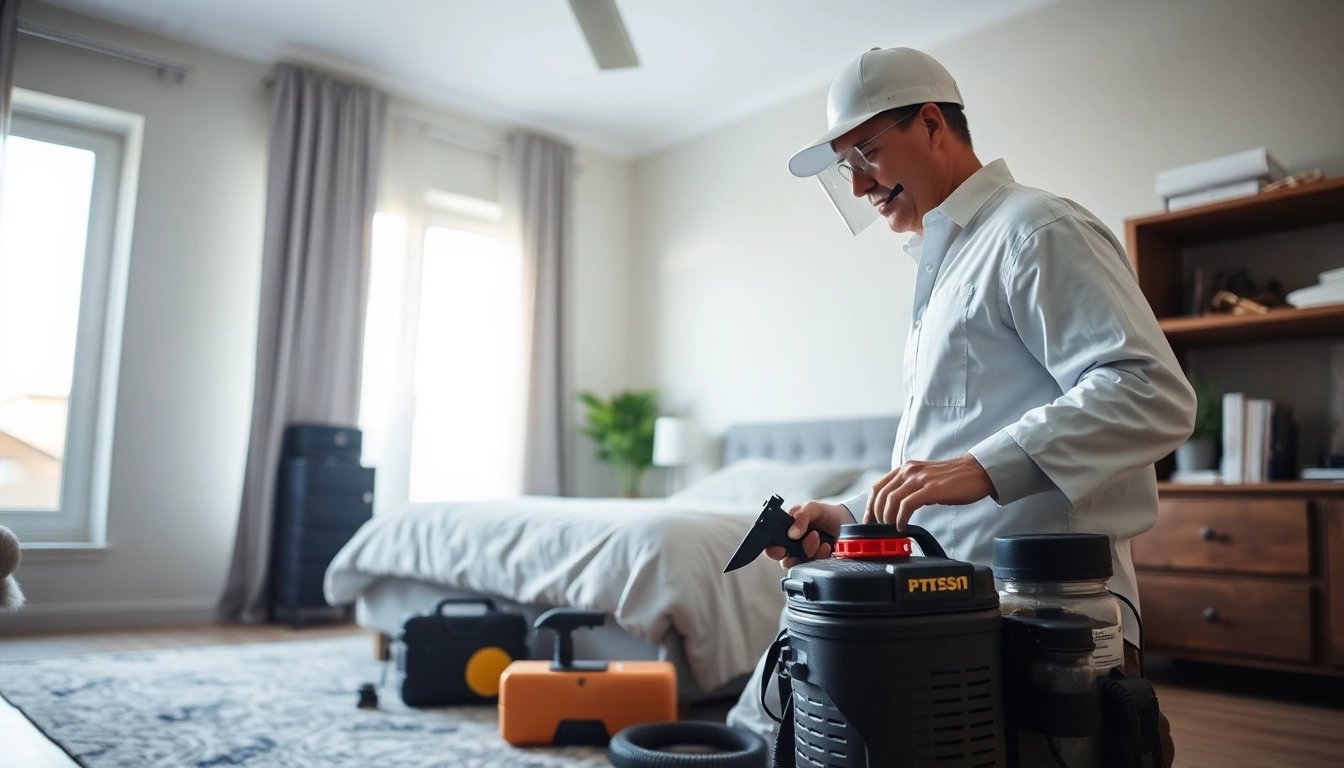
- You wear personal protective equipment (PPE) when handling chemicals.
Post-Treatment Cleanup Guidelines
After treatments are completed, adhere to the following cleanup guidelines:
- Wait for the designated time before vacuuming treated areas.
- Inspect treated areas regularly to look for new signs of bed bugs.
- Maintain cleanliness and organization to prevent future infestations.
Costs Involved in Bed Bug Pest Control
The financial aspect of bed bug pest control is an essential consideration for homeowners. Understanding the costs can help you make informed decisions regarding pest management.
Factors Influencing Treatment Costs
Several factors influence the overall cost of bed bug extermination, including:
- Extent of Infestation: More extensive infestations typically require more treatment materials and time.
- Type of Treatment: Thermal or chemical treatments vary in price, with thermal treatments often costing more.
- Geographical Location: Costs may vary based on local markets and demand for pest control services.
Average Industry Pricing
Generally, costs for bed bug treatments can range from $300 to $1,500, depending on the factors mentioned above. Treatments can be charged on a per-room basis or as a flat fee, with a full inspection and assessment included in the overall pricing.
Cost-Effective Solutions
Homeowners looking to save on bed bug treatment costs may consider:
- Preventive Measures: Regular cleaning and inspection can help catch infestations early.
- DIY Treatments: Implementing DIY techniques can reduce initial pest control expenses.
- Combination Treatments: Using both professional and natural treatments may cut costs while effectively managing pests.
Frequently Asked Questions about Bed Bug Pest Control
What is the best pest control method for bed bugs?
The best control methods are often a combination of Integrated Pest Management (IPM), chemical treatments, and natural remedies tailored to your specific situation.
How long does bed bug pest control treatment take?
Treatment duration varies based on infestation severity; initial treatments may take a few hours, while follow-up scenarios can extend over weeks or months for comprehensive eradication.
Can I stay in my home during treatment?
Staying in your home during treatment depends on the method used; chemical applications often require you to vacate for a few hours, while heat treatments are more restrictive.
Are bed bug pest control solutions safe for pets?
Many commercial solutions are safe for pets, but specific instructions should be observed. Always consult with pest control professionals about safety for your animals.
How can I prevent a future infestation?
Preventative measures involve regular inspections, minimizing clutter, sealing cracks, and proactive cleaning techniques to deter bed bugs from re-entering your home.